

WORKING VISIT TO THE CITIES AND DISTRICTS OF KHATLON PROVINCE
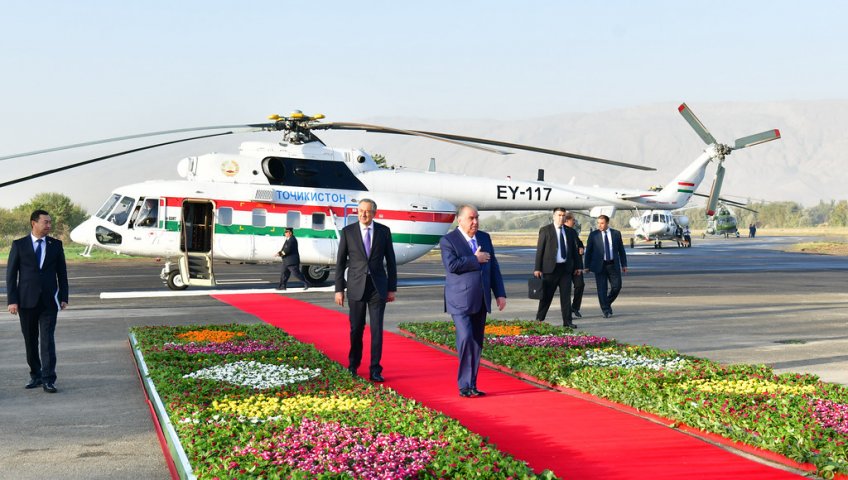
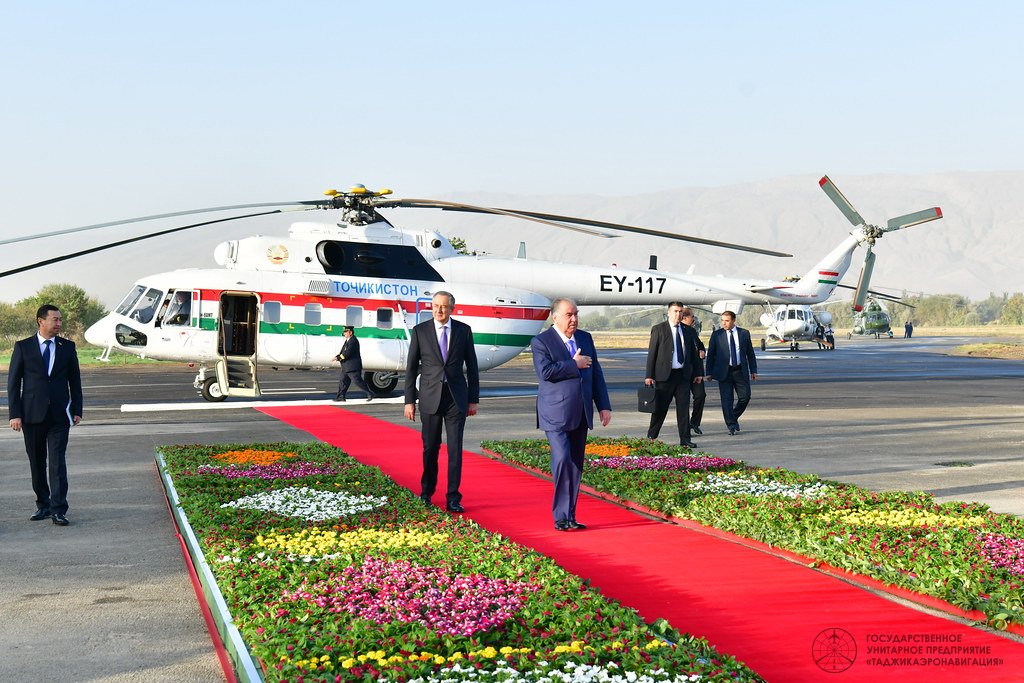
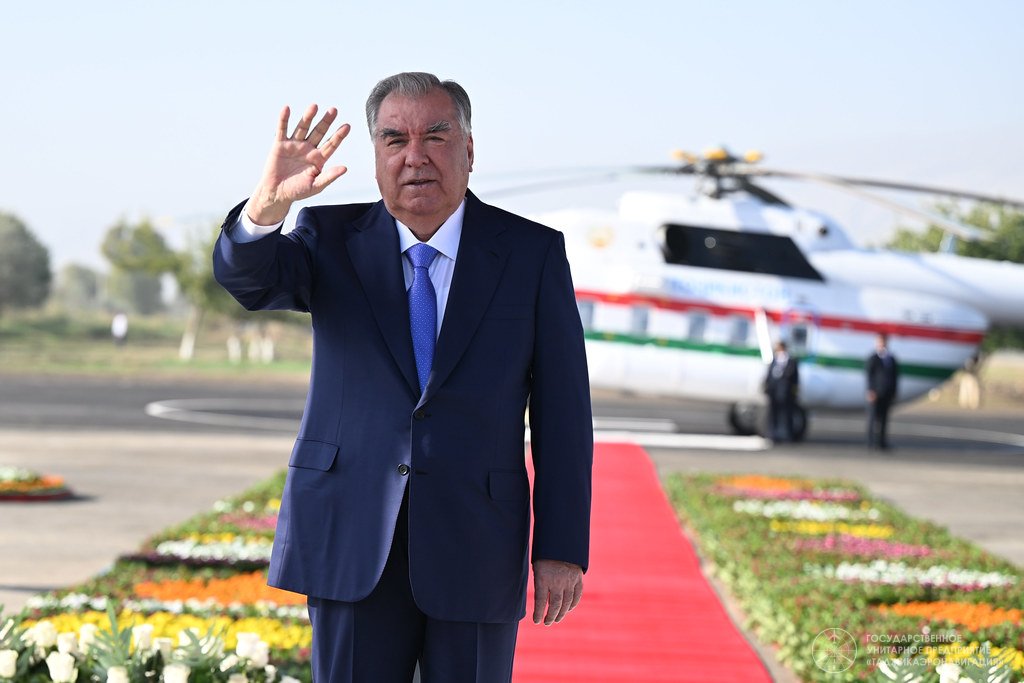
On October 4, the President of the Republic of Tajikistan, Leader of the Nation, His Excellency Emomali Rahmon, arrived in Farkhor district as part of his working visit to the cities and districts of the Kulob region of Khatlon Province. The visit aims to inaugurate various facilities and participate in festive celebrations marking the 35th anniversary of State Independence.
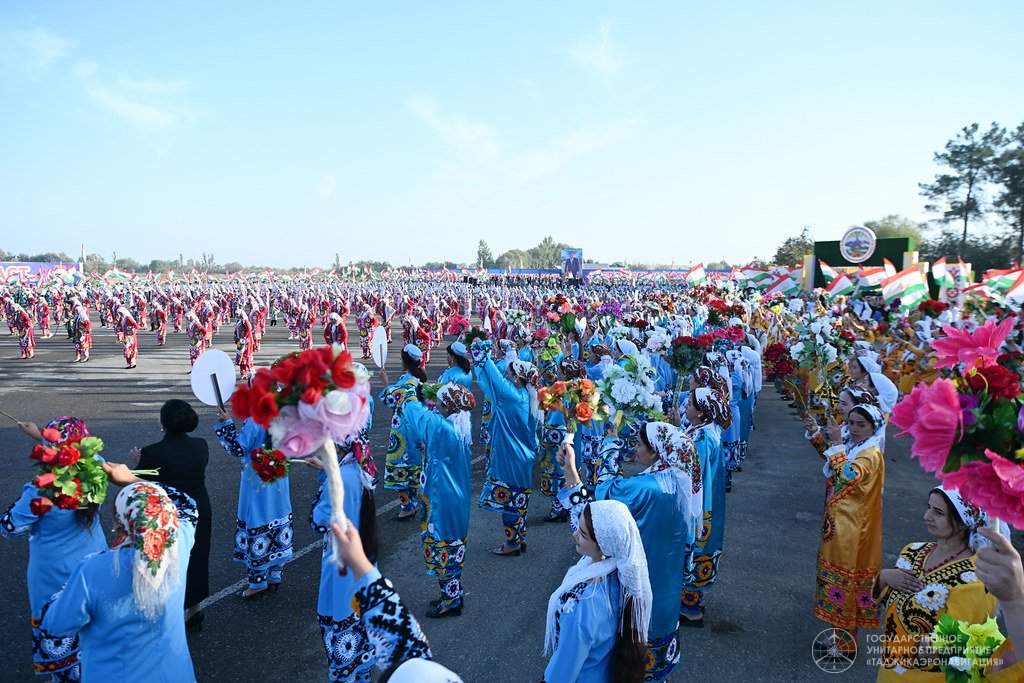
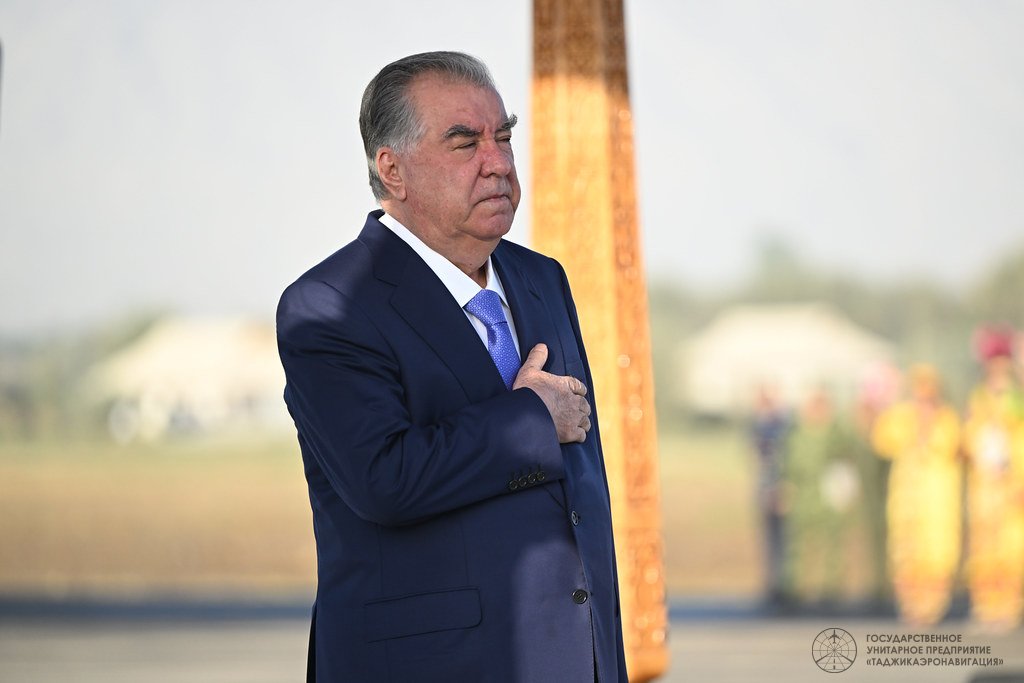
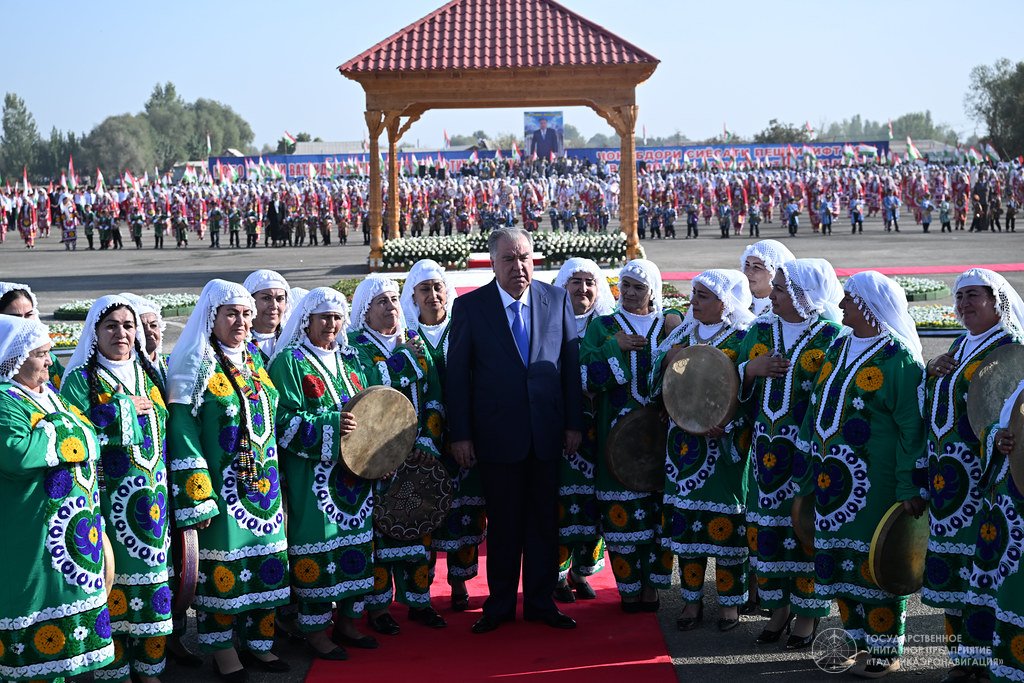
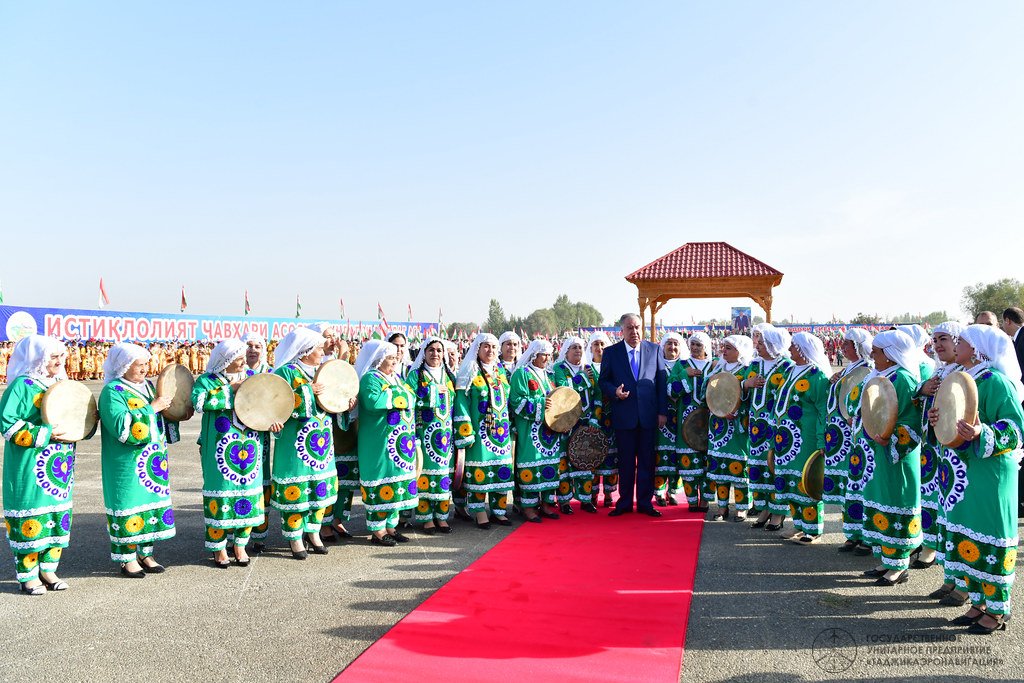
At the district’s central airport, the Leader of the Nation, Emomali Rahmon, was warmly welcomed by the provincial leadership, representatives of various professions, and cultural figures, who greeted him with joy, enthusiasm, and heartfelt sincerity.
Local artists and cultural performers presented a grand cultural program highlighting the achievements of the period of independence and the role of the Leader of the Nation, Emomali Rahmon, in the development and progress of beloved Tajikistan.
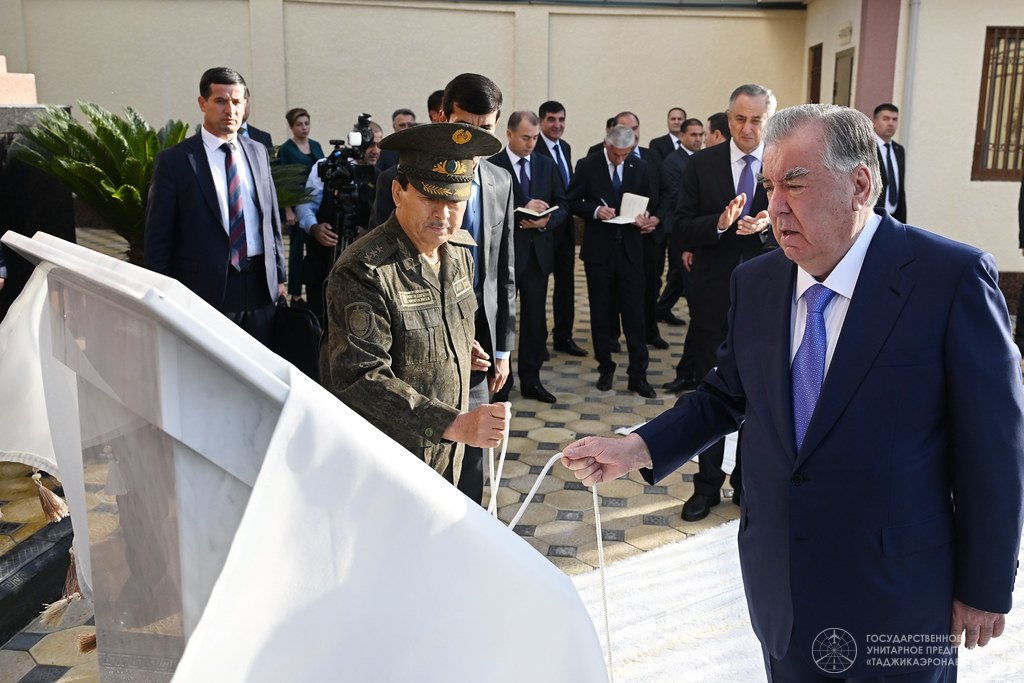
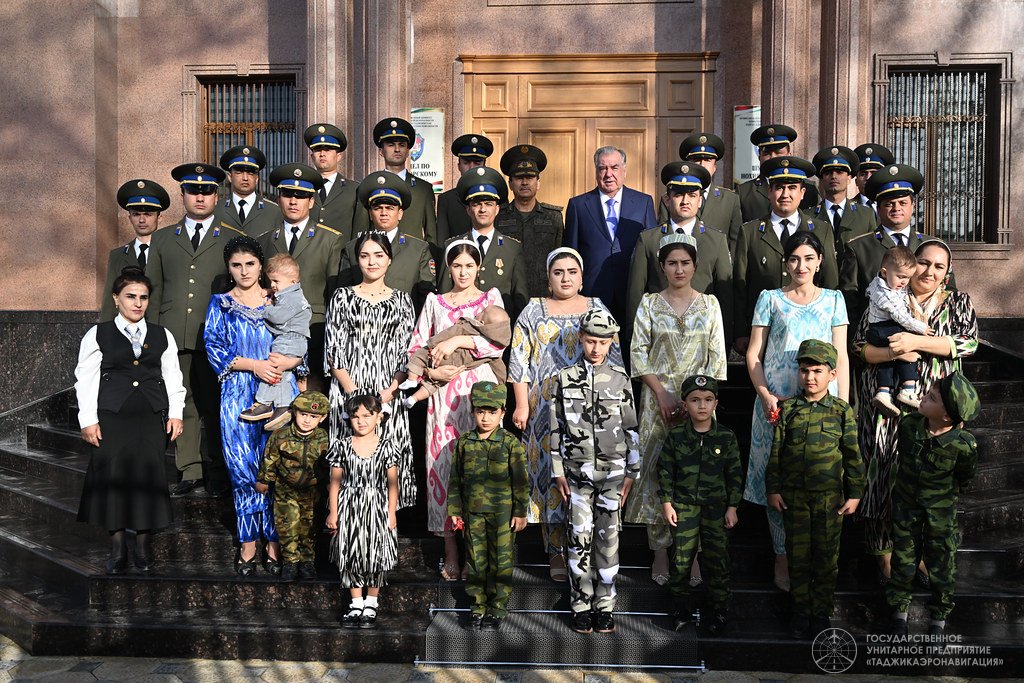
On October 4, during his working visit to Farkhor district, the President of the Republic of Tajikistan, Leader of the Nation, His Excellency Emomali Rahmon, officially inaugurated the new building of the District Department of the State Committee for National Security of the Republic of Tajikistan in the center of Farkhor district.
The facility was constructed as part of preparations for the 35th anniversary of the State Independence of the Republic of Tajikistan and is intended to provide modern working conditions for employees of the national security authorities.
President Emomali Rahmon was informed that the multi-storey building had been constructed according to a modern design and equipped with the necessary infrastructure.
The basement houses a gym, archive, and other auxiliary rooms, while the other floors contain offices, a cafeteria, a conference hall, a library, and service accommodation for employees.
The residential units have been provided with the necessary amenities, while the offices and living quarters are connected to a centralized heating system.
For greater convenience and ease of use, the building includes a modern elevator, and its engineering infrastructure has been fully adapted to modern requirements.
Construction of the facility began in April 2023. During the construction process, 40 local residents were provided with temporary employment.
The grounds surrounding the building have been landscaped with ornamental flowers, shrubs, and shade trees. A recreation pavilion and a playground have also been constructed.
Overall, the attention given to creating suitable working conditions for employees, providing them with service housing, and ensuring an appropriate environment for work and living is aimed at increasing the efficiency of their service and improving the infrastructure of the sector.
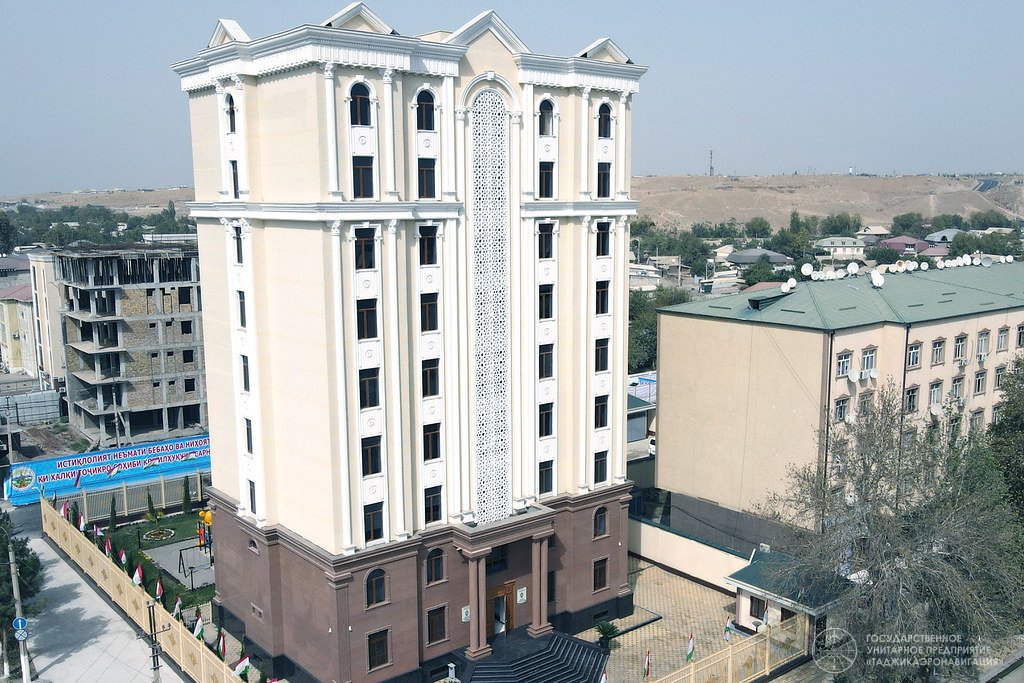
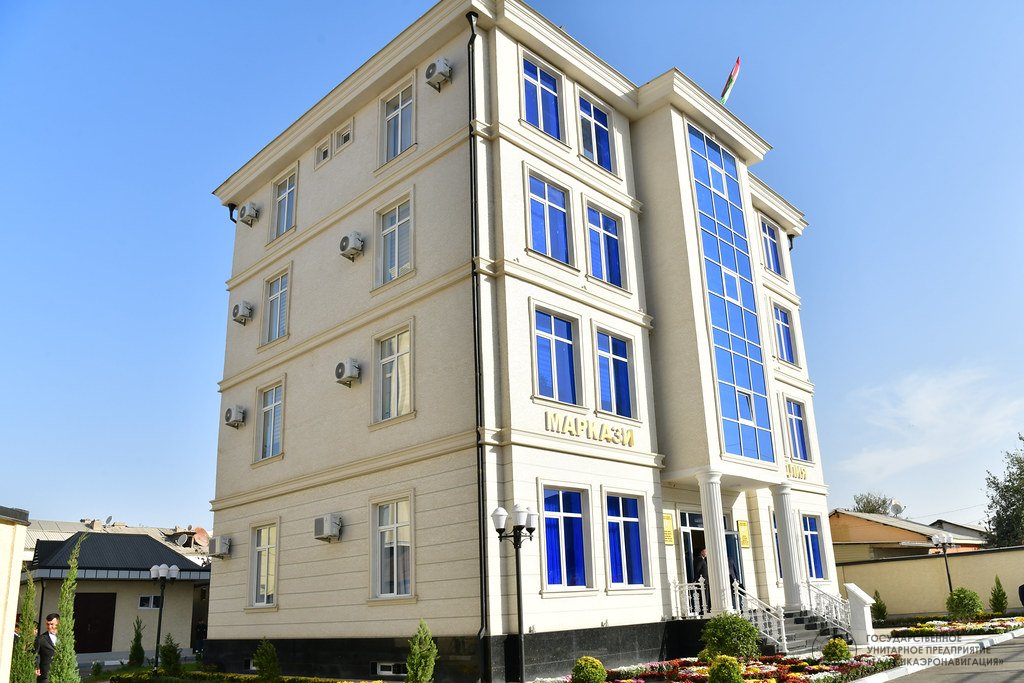
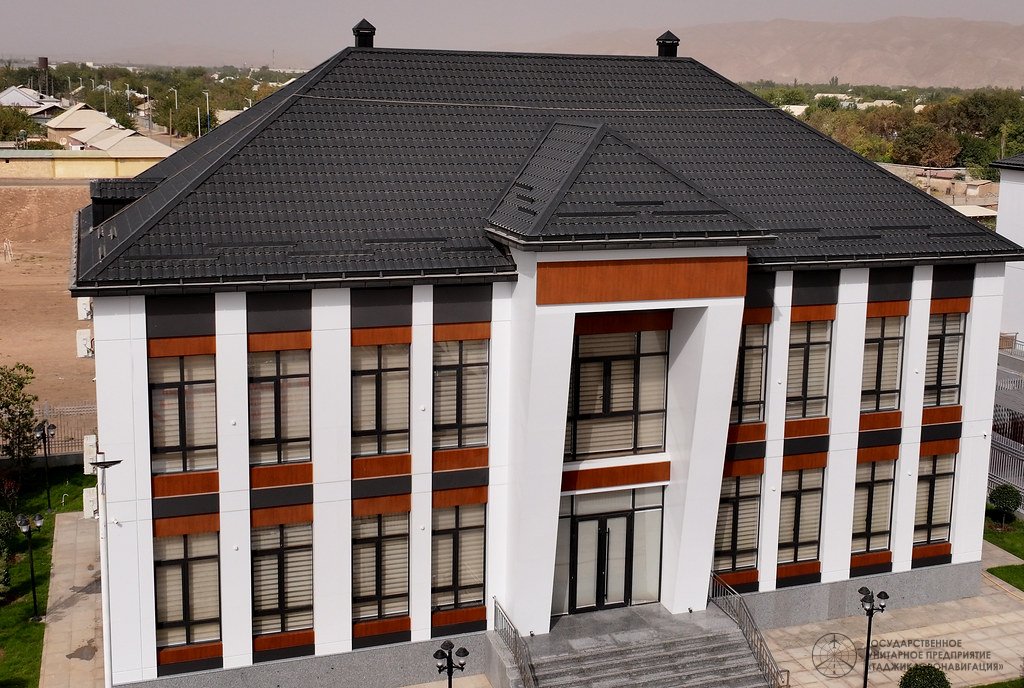
The Justice Center building was constructed with the support of the Government of the Republic of Tajikistan and funded by the Ministry of Justice in honor of the 35th anniversary of the State Independence of the Republic of Tajikistan. It features a national architectural design combined with modern urban planning elements.
Following the commissioning of the new building, the Justice Center in Farkhor district was connected to a one-stop service system. The center includes a library, a marriage registration hall, spacious offices, and other auxiliary facilities.
To ensure efficient operations, the one-stop service center has been equipped with essential modern equipment and specialized facilities, including digital information technologies. Professional staff uses an electronic system to process citizens’ applications and requests promptly, transparently, and efficiently.
The Justice Center’s library contains works by the Leader of the Nation, a large collection of poetry and prose by prominent Tajik writers, legal and regulatory documents, and specialized manuals. Employees of the justice authorities will make extensive use of this source of knowledge and education. The marriage registration hall has been specially decorated for wedding ceremonies.
The new building also provides suitable working conditions for employees of the Civil Status Registration Department, the State Notary Office, the state institution Legal Aid Center, and the Inspectorate for Correctional Affairs of the Main Directorate for the Execution of Criminal Sentences.
A modern guesthouse has also been constructed within the new building. It consists of four spacious rooms designed to accommodate up to eight people at a time. The rooms, including standard and deluxe units, are equipped with amenities that meet modern requirements.
The basement houses the archives of the Civil Status Registration Department and the State Notary Office. Overall, the Farkhor District Justice Center contains 10 fully equipped offices, as well as technical and auxiliary rooms.
The commissioning of the new Justice Center building represents an important step in developing the infrastructure of the justice authorities. It will contribute to the implementation of sectoral reforms, the transition to modern management systems, and the digitalization of public services.
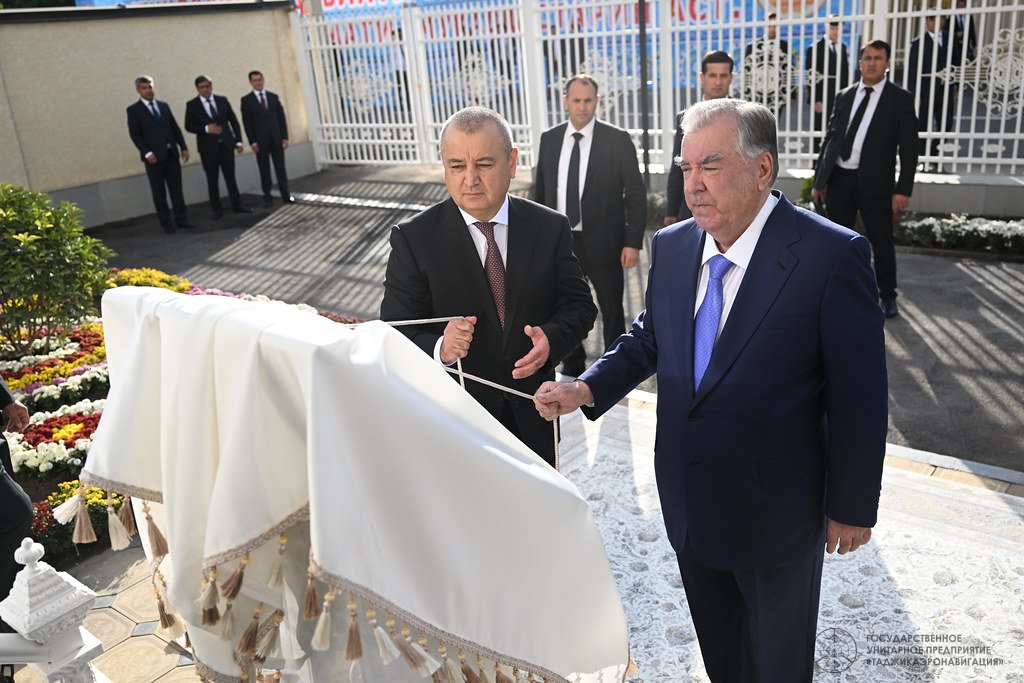
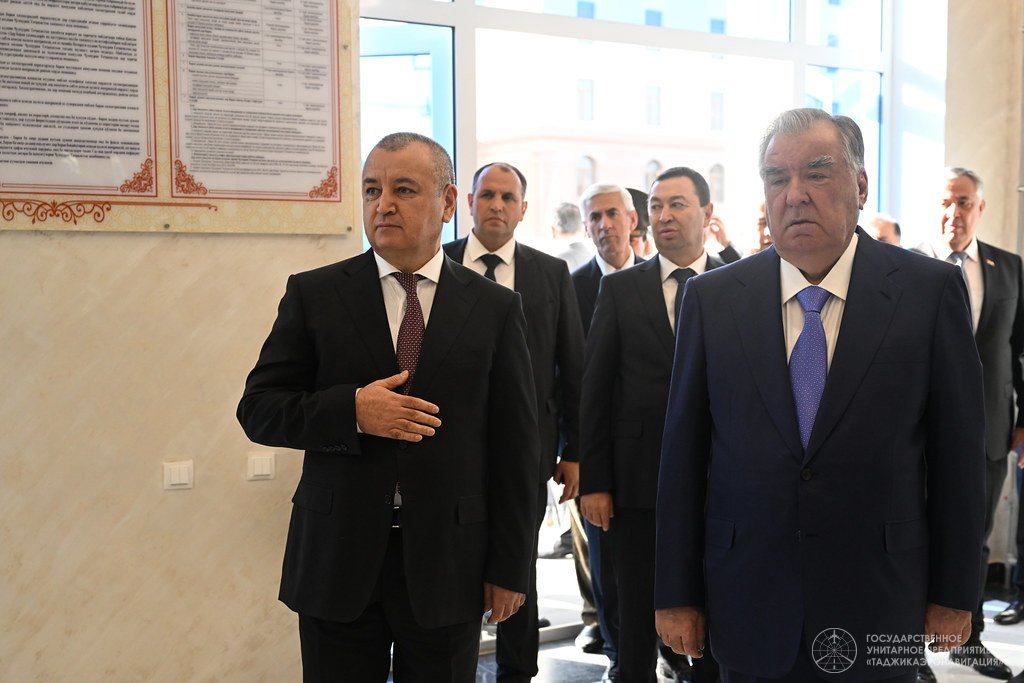
During his inspection of the facilities, President Emomali Rahmon highly praised the quality of the building and emphasized that, by making effective use of the improved working conditions, employees and specialists of the justice authorities should play a greater role in effectively implementing state strategies and programs, providing timely and high-quality services to the population, increasing citizens’ legal awareness, and promoting family ethics and culture.
The newly constructed, well-designed facility was described as a valuable gift from the Government of the Republic of Tajikistan to employees of the justice authorities in Farkhor district.
The additional building is located at General Secondary Education Institution No. 13 in the Boboshohiyon rural community and accommodates 960 students across two shifts. The new educational facility features 16 classrooms—including 6 specialized subject rooms—a 50-seat cafeteria, and other auxiliary spaces. The facility was constructed with funding from the Khatlon Province Construction Department and employs 41 teachers and 13 technical staff members.
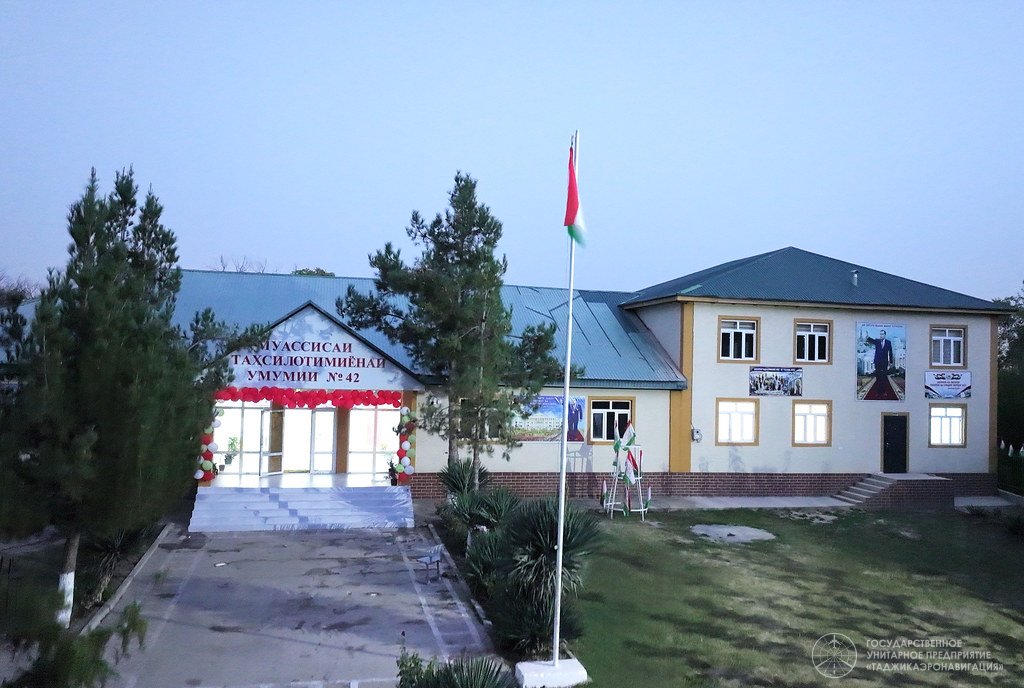
General Secondary Education Institution No. 42 is located in the Khudoyor Rajabov rural community and is designed to accommodate 480 students across two shifts.
The two-story building contains 8 classrooms and two staff rooms for teachers. This modern facility was built by local residents and the Parents' Committee in cooperation with the Executive Body of State Power of Vose District. The opening of this new facility has created jobs for 25 qualified teachers and 15 technical staff members.
General Secondary Education Institution No. 76, located in Navdeh village, is designed for 540 students across two shifts and was built through the contributions of local residents and generous entrepreneurs. The facility consists of two stories and accommodates students in nine new, spacious classrooms. The opening of this new educational institution has created employment for 30 teachers.
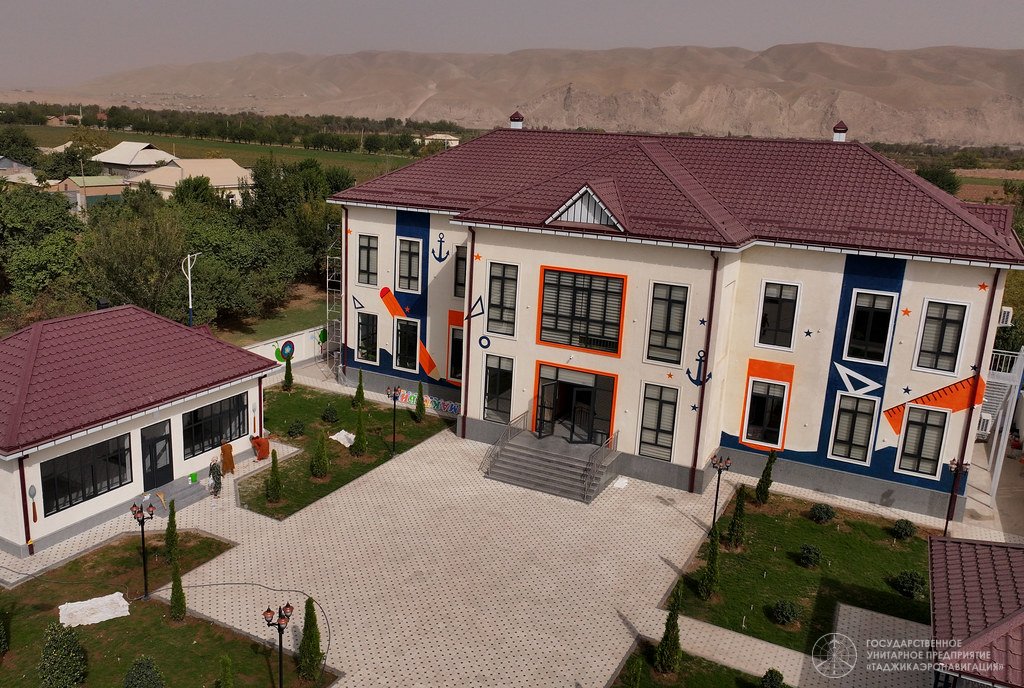
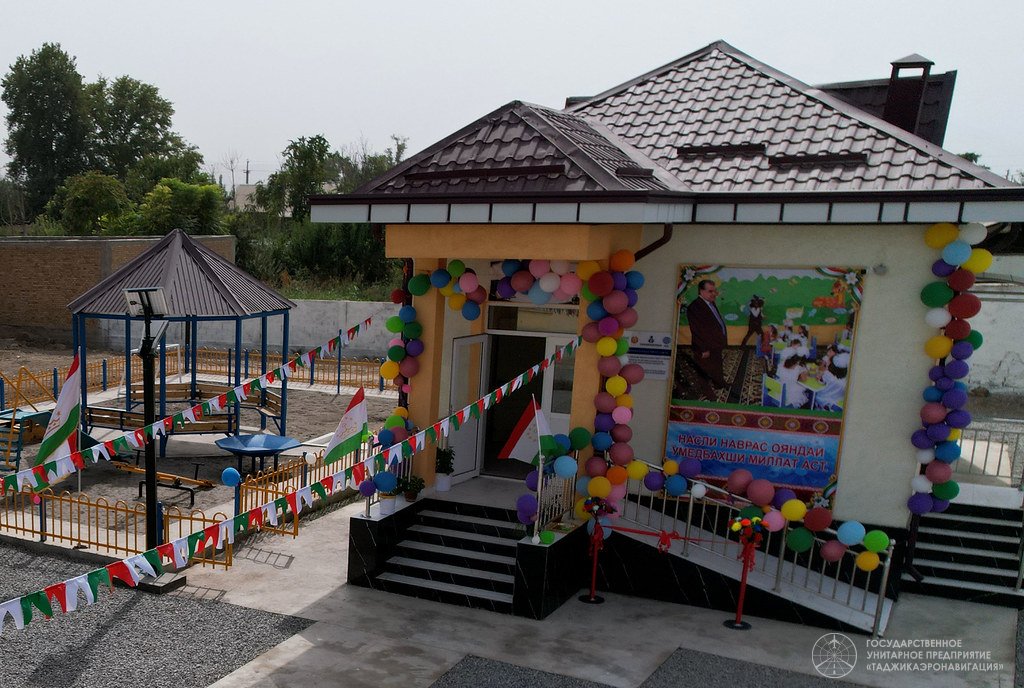
Another facility in the sector is a new kindergarten in the village of Tosqala, built by local entrepreneur Kamol Habibullozoda to accommodate 80 children. The building features eight classrooms, a 40-seat dining hall, and other auxiliary rooms. Fifteen caregivers have been hired to educate the children.
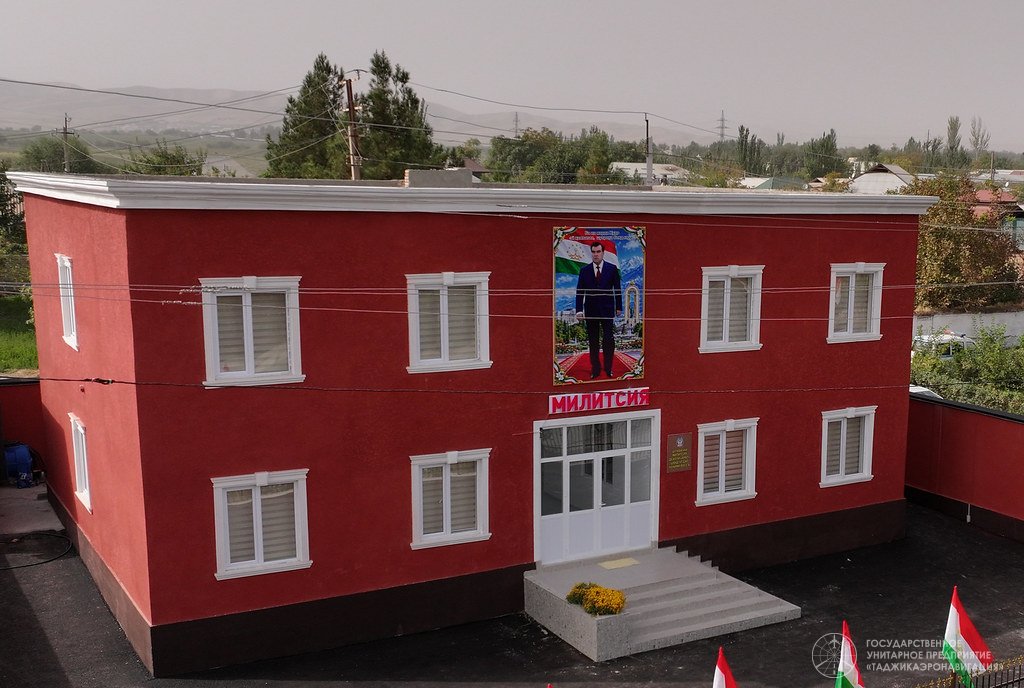
Additionally, nine early childhood development centers have been established at educational institutions in the town of Hulbuk and the villages of Mehrobod, Bahoriston, Guliston, Navobod, and Anoriston—as well as other localities—under the "Early Childhood Development for Human Capital Enhancement in Tajikistan" project, implemented by the Ministry of Finance of the Republic of Tajikistan; these centers provide educational opportunities for 325 children and have created 26 new jobs. The new police department building was constructed as part of development initiatives marking the 35th anniversary of state independence, through the initiative and contribution of local entrepreneur Rajabali Mirzoalizoda.
The new facility comprises 13 offices and includes designated areas for staff sleeping and rest. These modernly equipped offices will help enhance the operational efficiency of the department.
The administrative building for the State Subsidiary Enterprise for Drinking Water and Wastewater Disposal in the Vose District was constructed by the Government of the country in collaboration with development partners; it houses seven offices, specialized departments and sections, a meeting hall, and other auxiliary facilities.
The "Vose-Mall" trade and service center—inaugurated remotely on the same day by the Head of State, Emomali Rahmon—is located on Sultoni Kabir Street; it was built to provide a suitable environment for commerce and to offer various services to the district's residents and visitors. The facility was constructed to worthily mark the 35th anniversary of State Independence, funded by local entrepreneur Mustafo Nazarzoda.
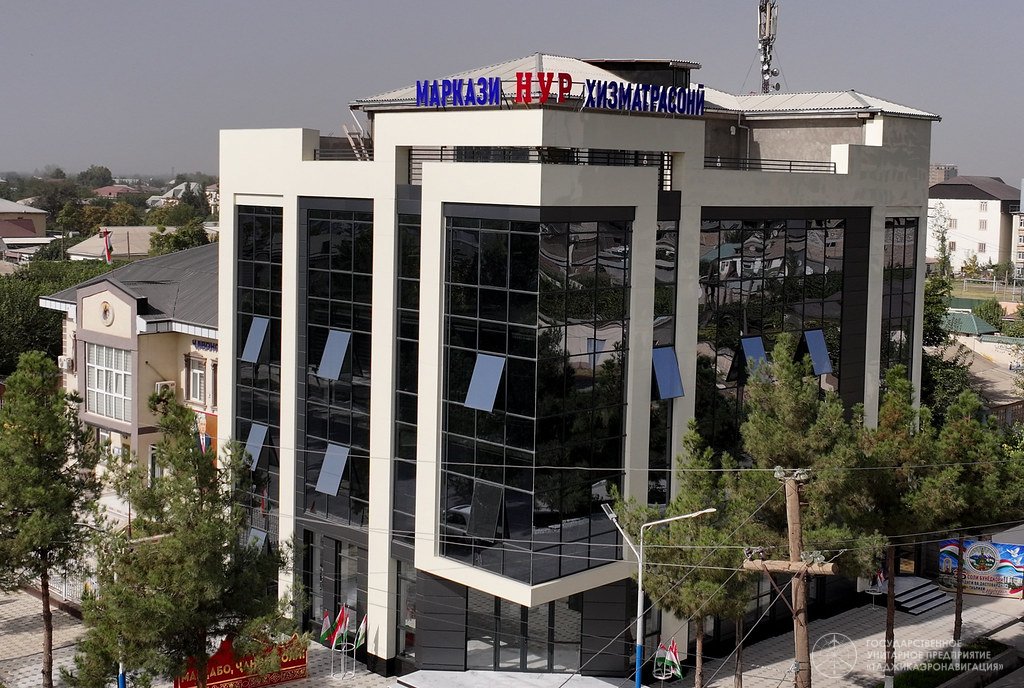
The "Nur" Service Center on Ismoili Somoni Street was built with the contribution of local entrepreneur Nuriddin Sattorzoda and is designed to provide favorable conditions for offering medical and educational services to residents.
The service center houses a dental department equipped with modern specialized machinery and equipment. A foreign language training center also operates within the building; five well-equipped classrooms have been set up for instruction, with the capacity to accommodate up to 70 students simultaneously.
A poultry farm designed to raise 60,000 birds and produce chicken meat—creating 10 jobs—is located in the village of Pushiyoni Miyona (within the Khudoyor Rajab rural community); it will help supply local markets and residents with meat products.
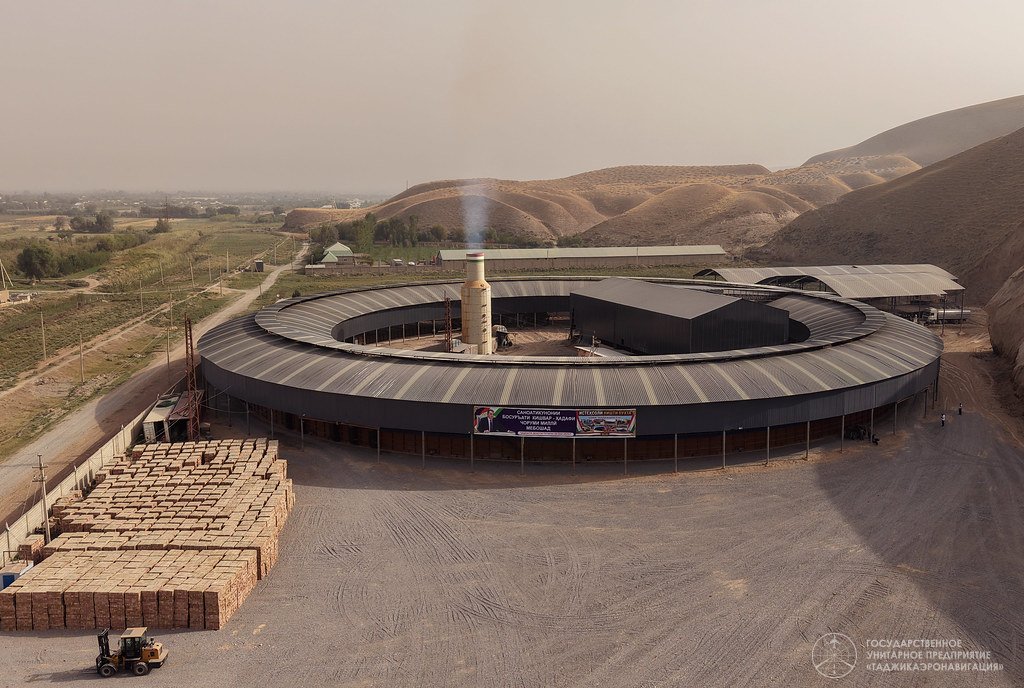
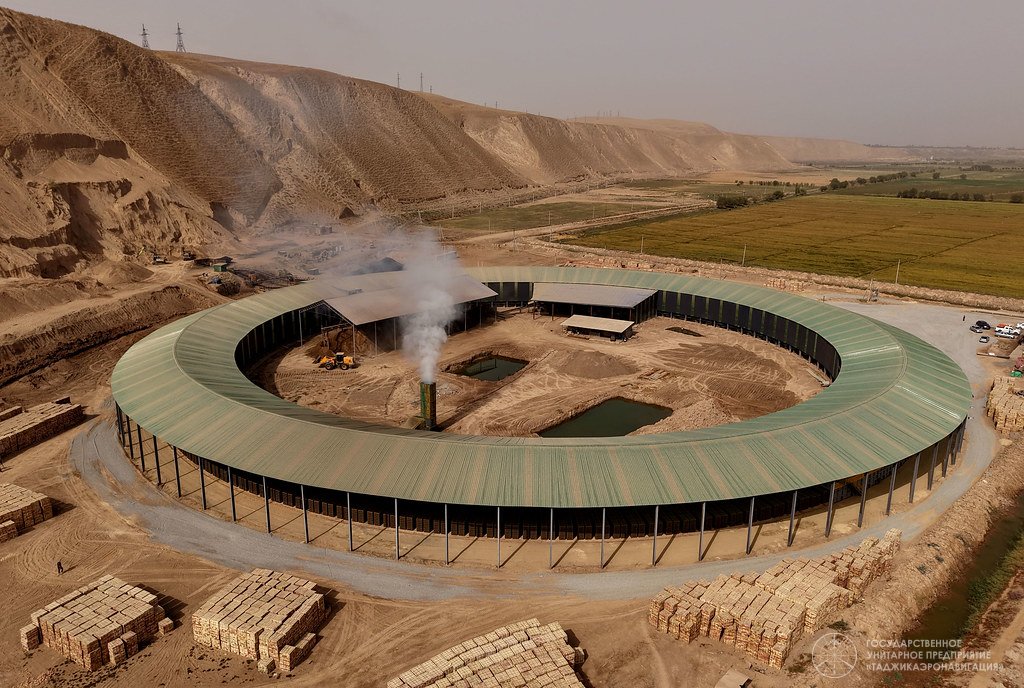
Two brick manufacturing plants—"Badakhshon-Tur" and "Shukuhi Mahsuloti Sokhtmoni"—were established in the villages of Guliston and Tugarak, creating 60 jobs. These facilities have laid a solid foundation for the country's rapid industrialization, job creation, and the supply of construction materials to residents. The annual production capacity is 24 million bricks for "Badakhshon-Tur" and 30 million bricks for "Shukuhi Mahsuloti Sokhtmoni".
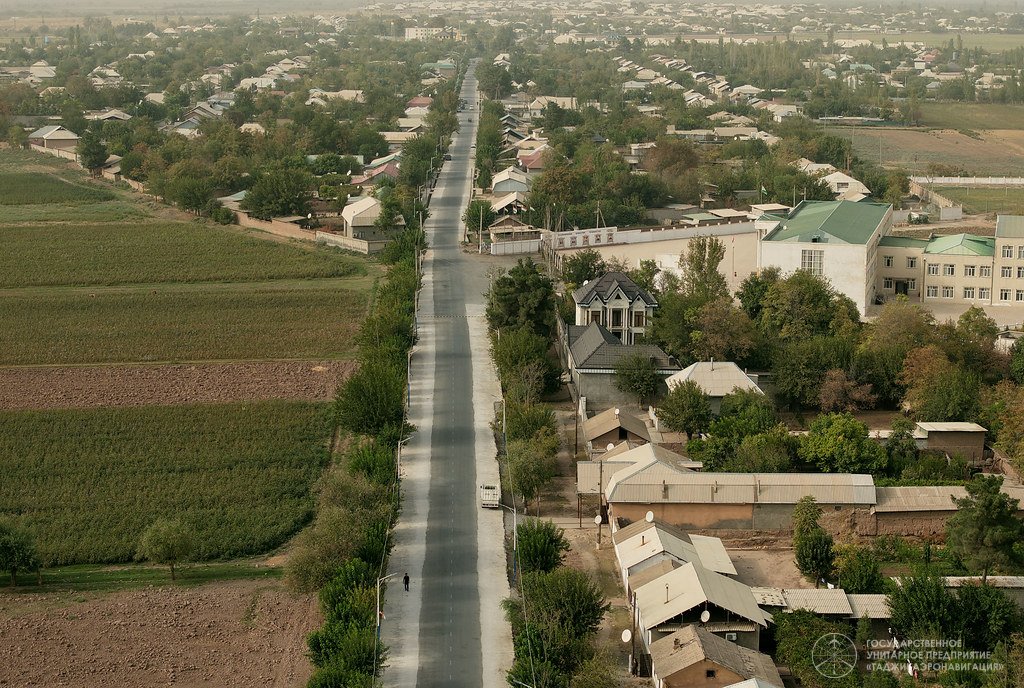
Continuing these constructive efforts, and with the participation of entrepreneurs and benefactors, 70 kilometers of paved local roads were also commissioned in the Vose district; this development facilitates improved living conditions, the transport of goods, and greater vehicle safety. By the end of the year, the total length of paved roads will reach 100 kilometers.
In total, the commissioning of new educational institutions, industrial enterprises, and other facilities has created over 390 new jobs for residents.
Furthermore, capacity for 540 students in general education schools and facilities for 400 children in preschool institutions have been established—all of which serve as clear evidence of the constructive policy, care, and humane attitude of the esteemed Leader of the Nation, Emomali Rahmon, toward the noble people of Tajikistan.
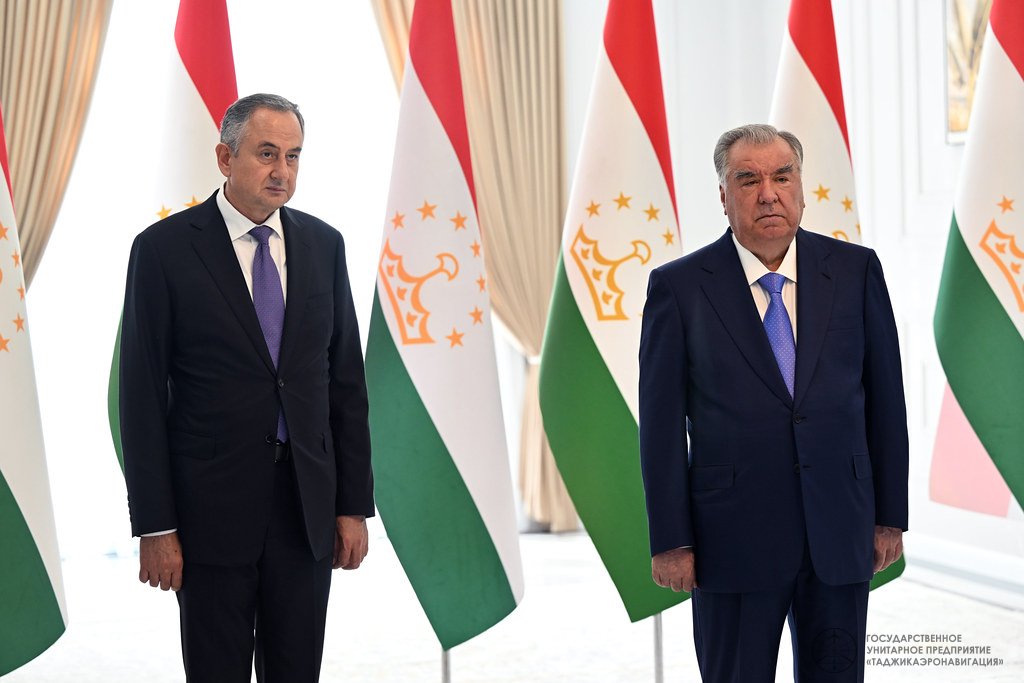
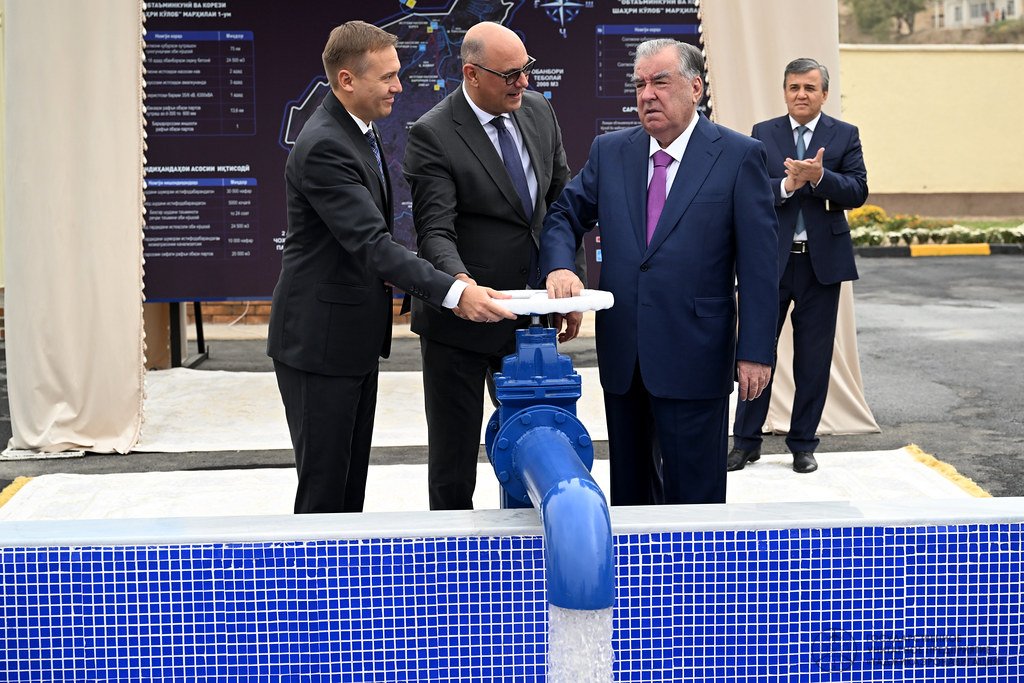
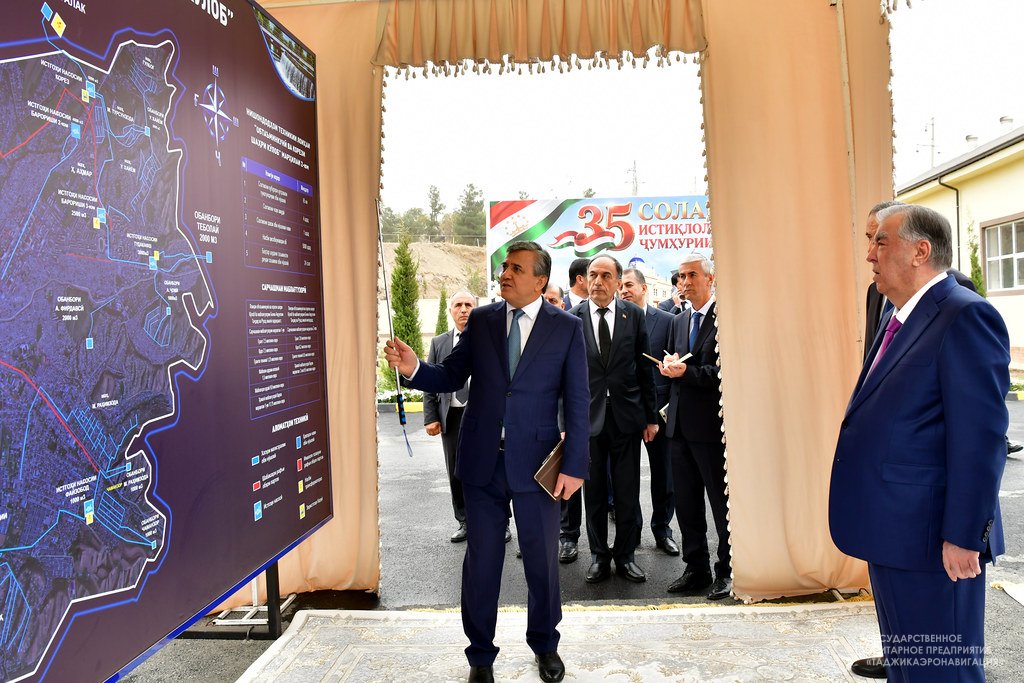
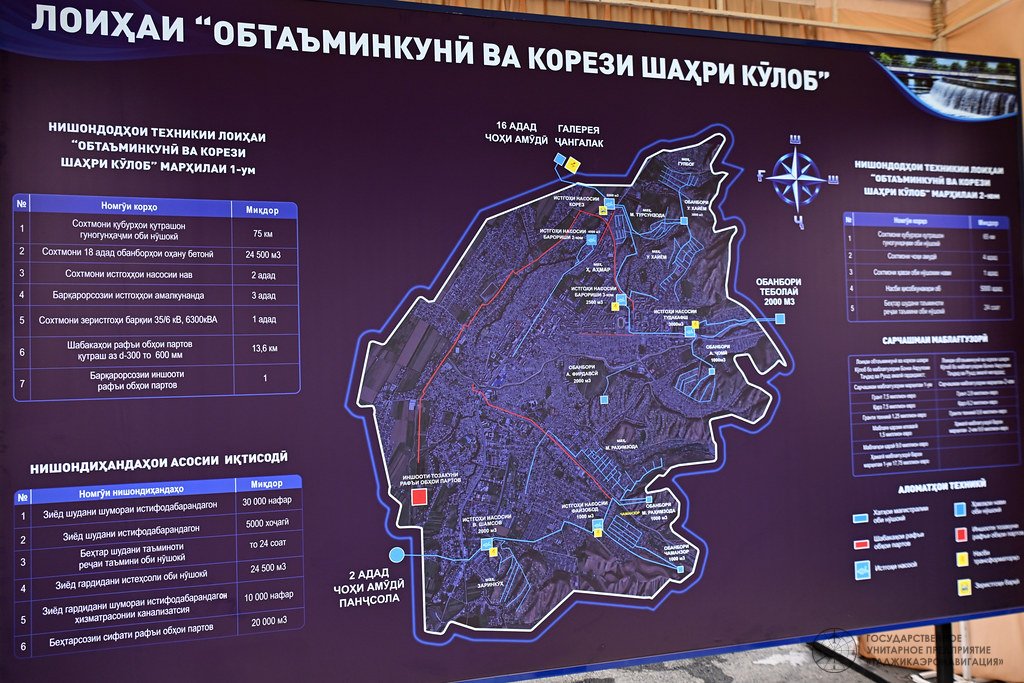
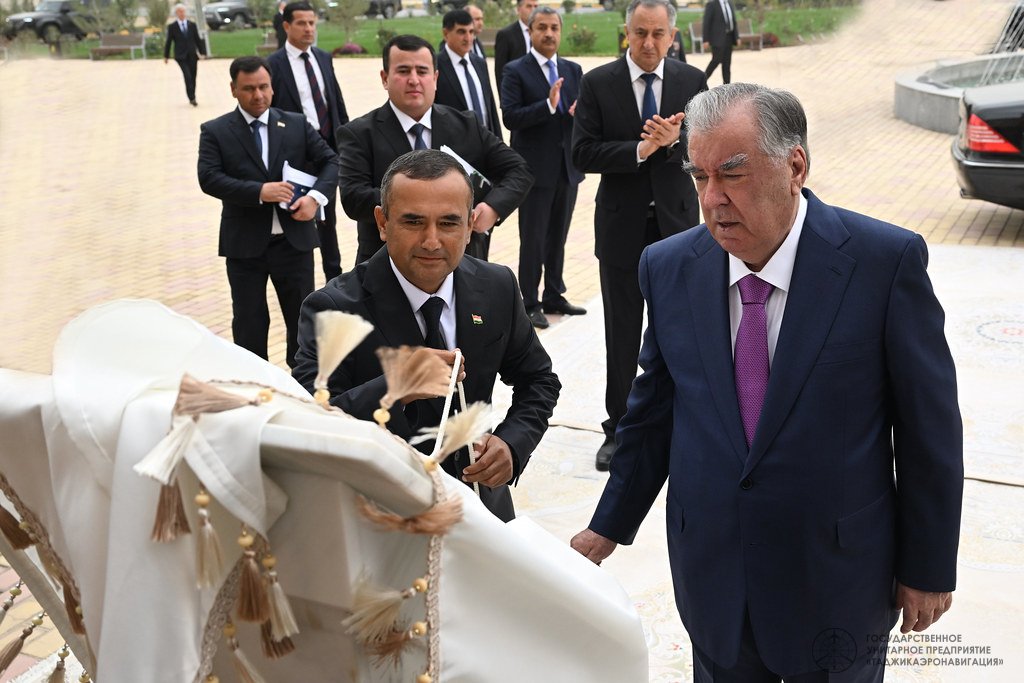
On October 5, the President of the Republic of Tajikistan, Leader of the Nation, His Excellency Emomali Rahmon, commissioned water supply and sewerage centers in the villages of Korez, Valijon Shamsov, and Tudakafsh in the city of Kulob.
The facilities were constructed to improve the population’s access to clean drinking water and to develop the municipal infrastructure of Kulob.
The Leader of the Nation was informed that the new centers are equipped with the necessary facilities for receiving, storing, and distributing water to residential areas.
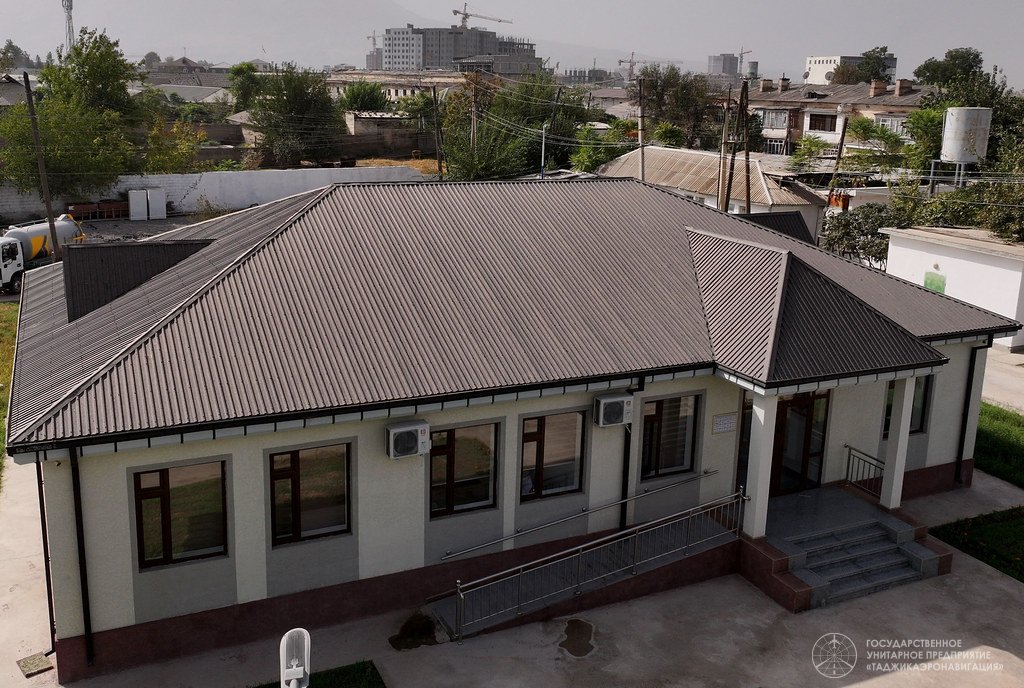
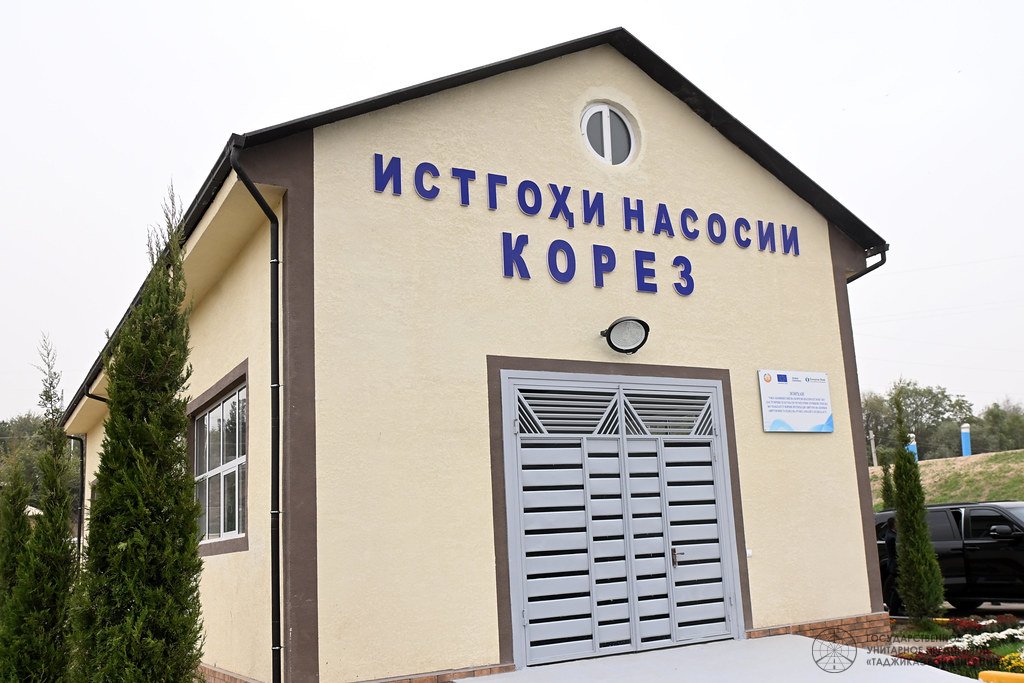
In Korez village, a water supply center with a storage reservoir, pumping station, and other auxiliary facilities was commissioned. Its operation will enable residents to receive a regular supply of drinking water.
In Valijon Shamsov village, a water supply and sewerage center was commissioned. The facility is intended to improve access to drinking water and municipal services for the population.
A water supply and sewerage center was also commissioned in Tudakafsh village. Its operation will improve residents’ access to drinking water and municipal services.
Following the commissioning of the new facilities, 30 people were provided with employment.
During the construction of the centers, particular attention was paid to the quality of the work, installation of the necessary equipment, and preparation of the networks to ensure reliable and continuous operation.
President Emomali Rahmon instructed the responsible officials to ensure the uninterrupted operation of the new centers and to maintain the equipment and networks in good condition.
It was emphasized that serious attention should be paid to the quality of services provided to the population, the rational use of water resources, and compliance with sanitary requirements.
The commissioning of the water supply and sewerage centers in Korez, Valijon Shamsov, and Tudakafsh villages will contribute to improving access to drinking water, enhancing the quality of municipal services, and creating new jobs.
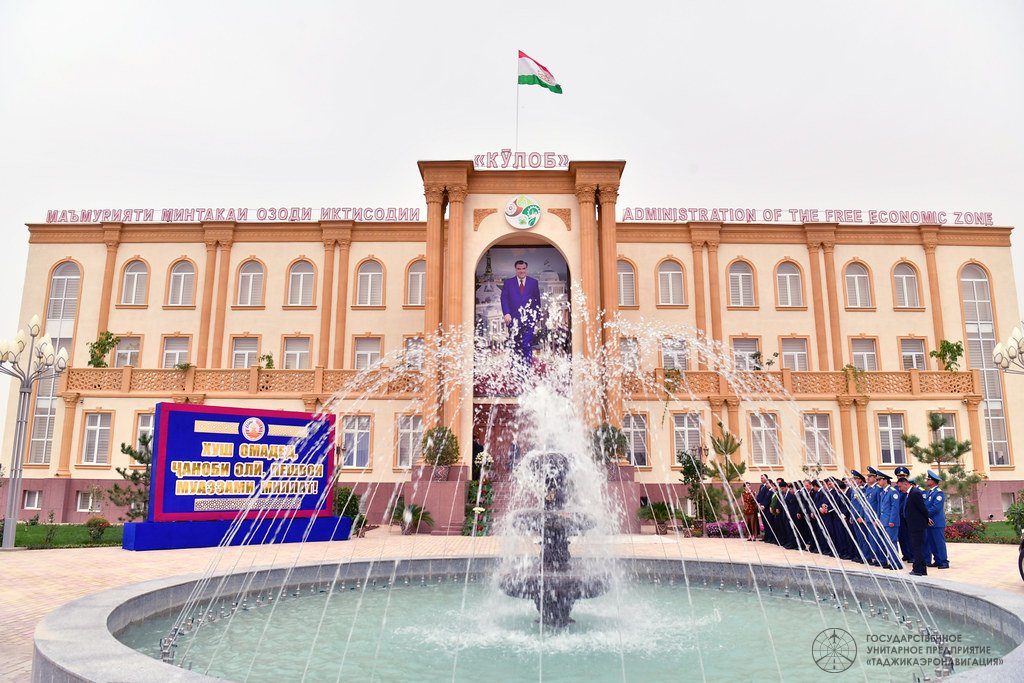
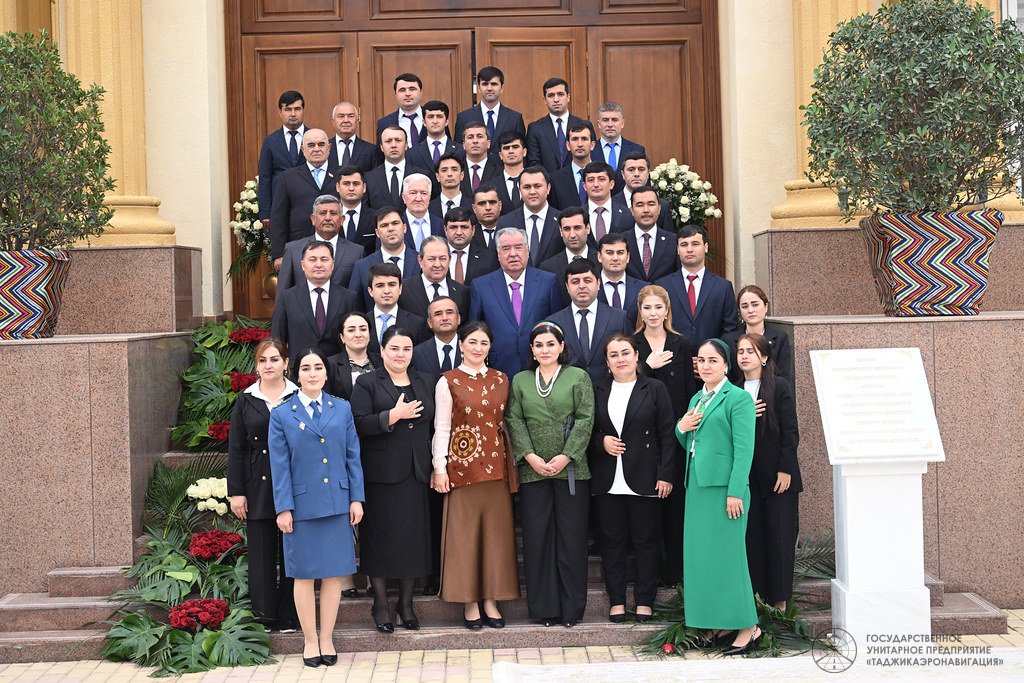
The new administrative building of the Kulob Free Economic Zone was constructed in accordance with high architectural standards. More than 100 local residents were temporarily employed during the construction work. Following the commissioning of the facility, 60 permanent jobs were created, and the employees were provided with all the necessary working conditions.
Construction of the facility began in 2021 with the support of the Government of the Republic of Tajikistan and was completed within the established timeframe in accordance with modern urban planning standards.
The President was informed that the facility consists of 23 offices, a conference hall with 108 seats, two meeting rooms, and a cafeteria with 54 seats. It is equipped with modern technology and equipment, as well as advanced heating, air-conditioning and ventilation, security, and video-surveillance systems.
A One-Stop Service Center has been established on the first floor of the building, providing tax, customs, migration, visa, banking, and other services.
As part of the landscaping and improvement works, 2.1 kilometers of roads were constructed and paved. The grounds surrounding the building have been landscaped with fountains, ornamental trees, more than 15,000 seasonal and decorative flowers, and 10,000 colorful rose bushes.
To promote a healthy lifestyle, 32 pieces of sports equipment have also been installed in the building’s gym.
The construction of the new administrative building of the Kulob Free Economic Zone is aimed at creating modern service conditions for businesses operating within the zone, improving the investment climate, and increasing the efficiency of the free economic zone’s activities.
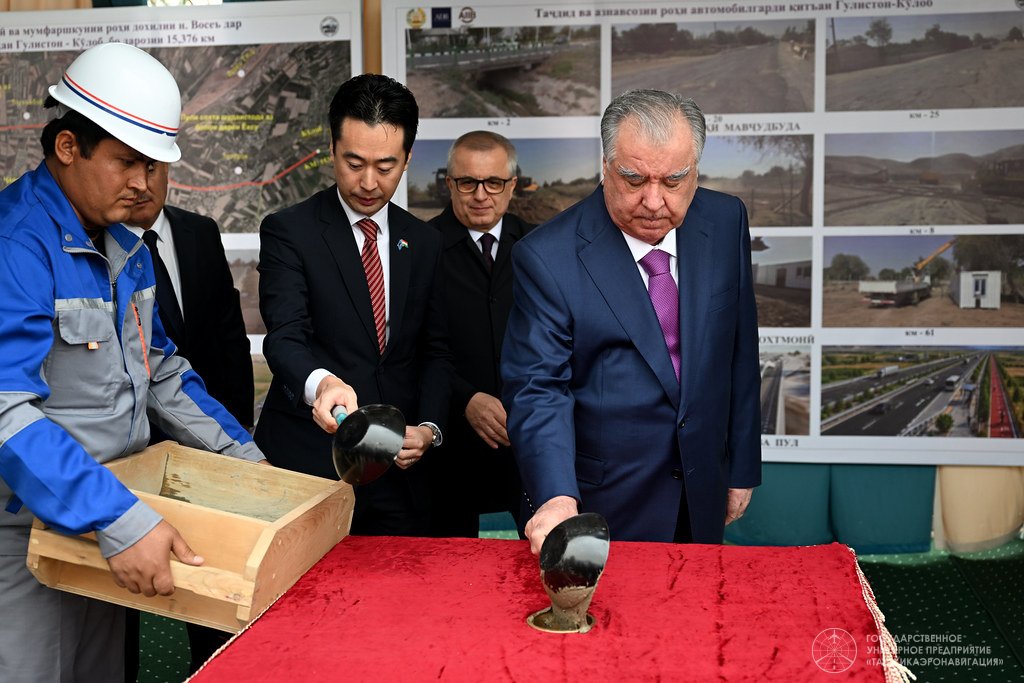
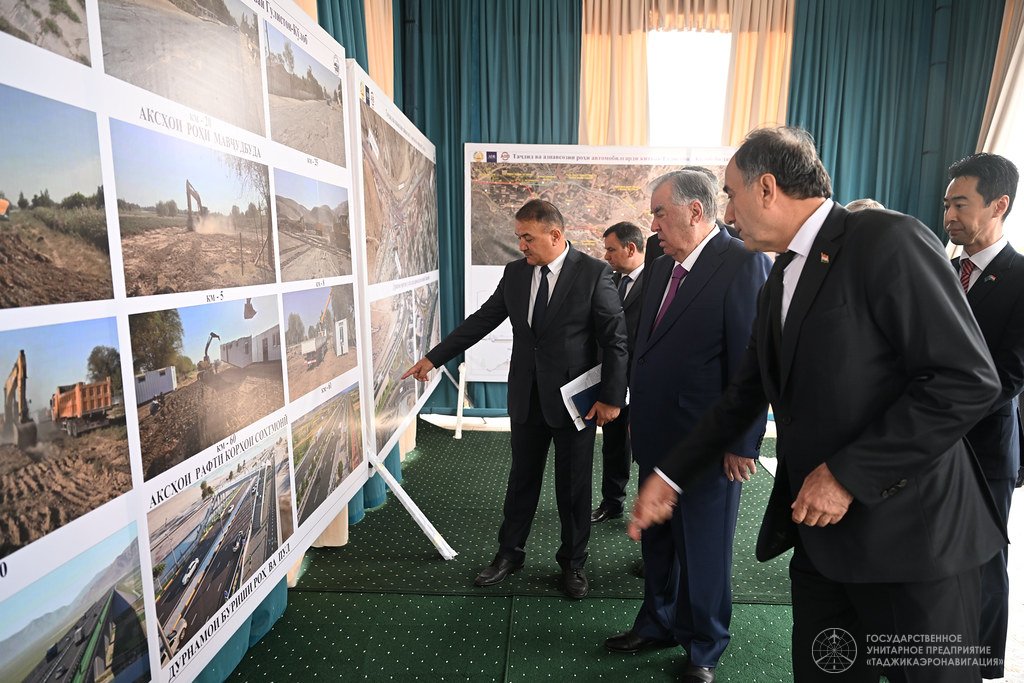
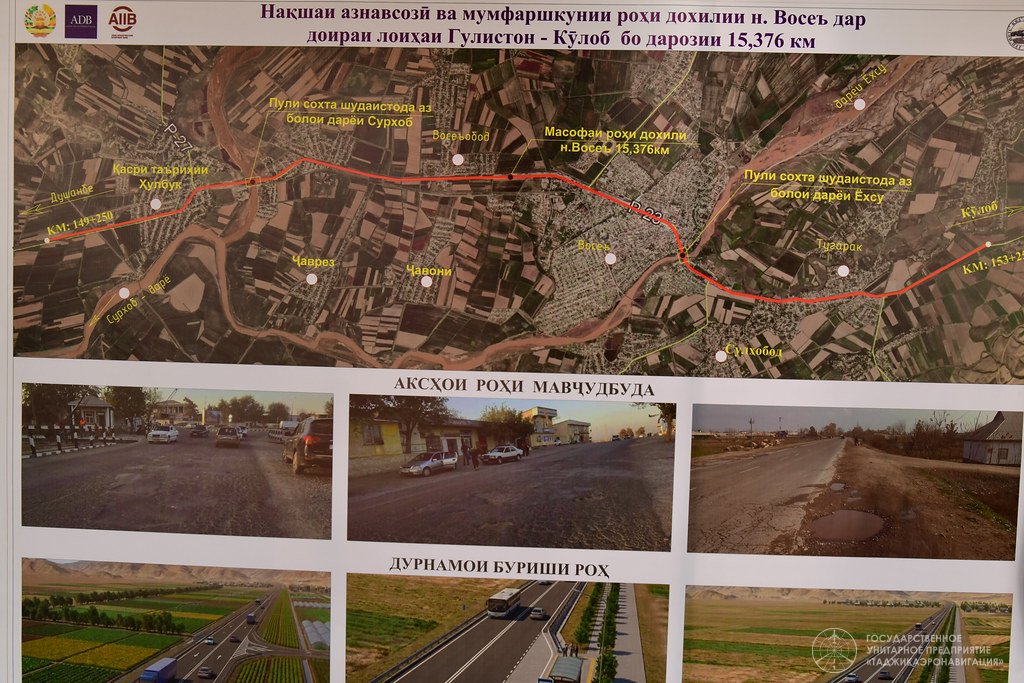
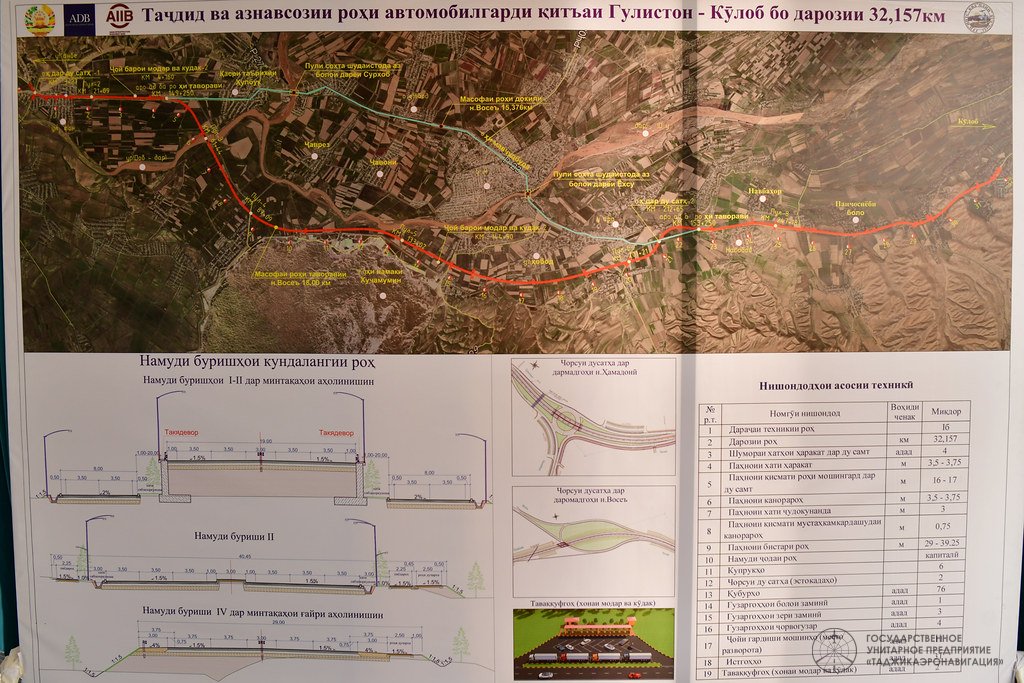
The Leader of the Nation laid the foundation stone for the construction of the Guliston–Kulob road, 32.2 kilometers long, and the Guliston–Vose road, covering 14 kilometers within the same project. Together, the roads will total 46.5 kilometers. On the instructions of President Emomali Rahmon, construction work has begun at 12 locations along the Guliston–Kulob road.
The Guliston–Kulob road is classified as a Category I road and will have four traffic lanes. The total carriageway width in both directions will be 17 meters. The route will include six bridges, eight overpasses, underpasses and livestock crossings, a dedicated bicycle lane, 31 bus stops, and parking areas for mothers and children. More than 30 pieces of construction equipment and 78 workers from Hunan and TGEM companies are involved in the construction. Under the Guliston–Kulob road project, the rehabilitation of 15 kilometers of road within Vose district is also planned.
Construction of the Danghara–Guliston road is currently progressing steadily, with work underway at 52 locations. The road is 49 kilometers long and is classified as a Category I road. In populated areas, its width will range from 45 to 66 meters and will include pedestrian and bicycle paths.
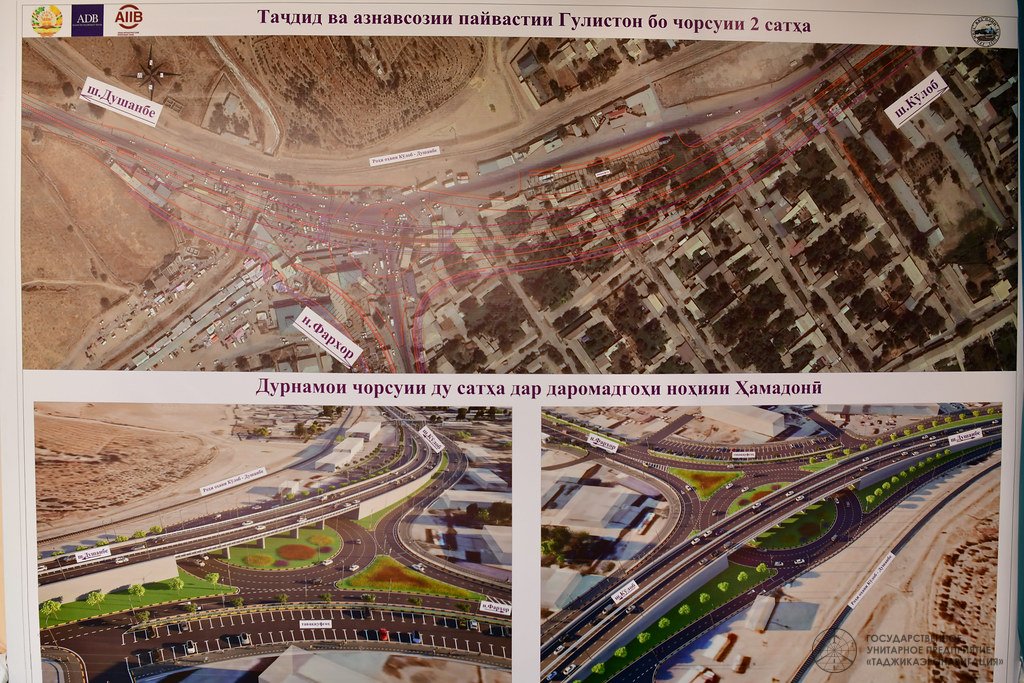
It was noted that at the end of the Danghara–Guliston road and the beginning of the Guliston–Kulob road, a two-level interchange will be constructed at the intersection of the Danghara–Kulob and Farkhor–Hamadoni routes to ensure uninterrupted traffic flow.
The project also provides for underpasses for vehicles, pedestrians, and livestock, overpasses, lighting, traffic lights and road signs, bus stops, communication lines, water and sewerage networks, and irrigation systems.
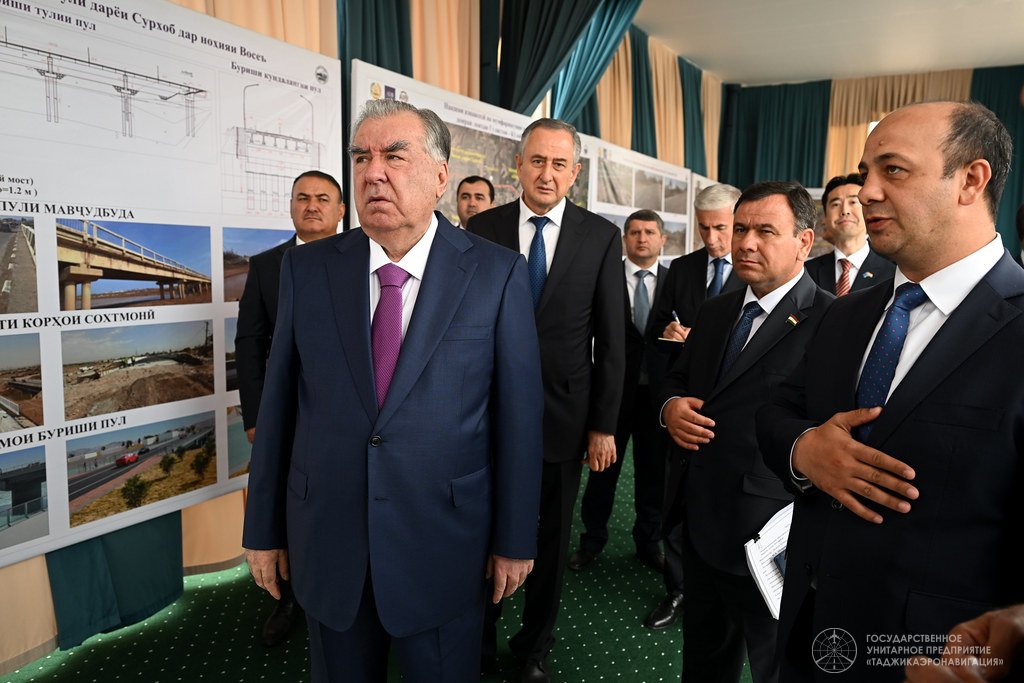
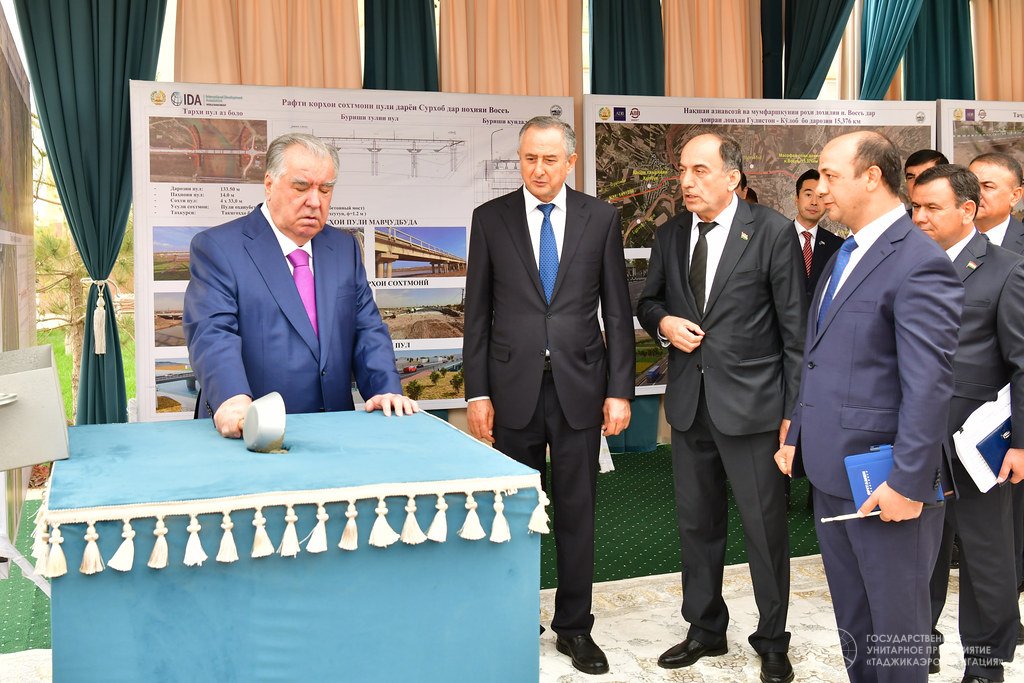
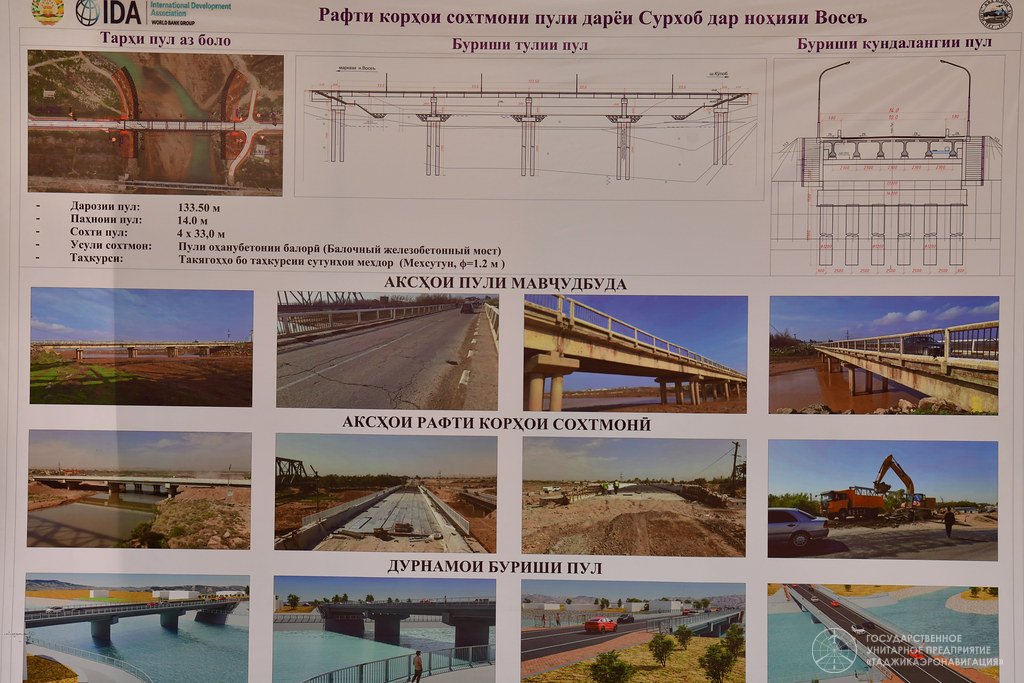
The President was also presented with a project for the construction of two vehicle bridges on the Guliston–Kulob road.
Construction of the first bridge over the Surkhob River, with a length of 133 meters, is nearing completion. The bridge is a reinforced-concrete beam structure, with its support foundations being constructed using piles with a diameter of 1.2 meters.
Construction of the second bridge over the Yokhsu River, located in Vose district, is proceeding according to plan. The bridge will be 100.4 meters long and 14 meters wide. It is also being built as a reinforced-concrete beam structure, with pile foundations being used to ensure the stability and strength of the structure. Construction is nearing completion.
It was reported that construction work on both important transport facilities is being carried out in accordance with technical and regulatory requirements.
At the same location, President Emomali Rahmon laid the foundation stone for the construction of the Kulob–Shamsiddin Shohin bypass road, with a length of 11 kilometers.
The road is planned to have two to three traffic lanes, with each lane measuring 3.5 meters wide. The total carriageway width will range from 7.0 to 10.5 meters.
The project includes the construction of 1,530 meters of pedestrian pathways in populated areas, installation of solar-powered lighting systems, construction of water drainage pipes, two bridges, and public transport stops. Road signs will also be installed to ensure traffic safety.
As part of the bypass road project, residential plots for up to 3,500 families are planned at five locations, with plots allocated at a rate of five acres. The construction of drinking-water and electricity networks is also planned.
President Emomali Rahmon instructed the responsible officials to ensure that construction and improvement works aimed at developing transport infrastructure are carried out to a high standard and in compliance with established regulations.
The main objectives of the road construction and rehabilitation projects are to ensure road safety and uninterrupted vehicle movement, bring road conditions and geometric dimensions into line with international standards, reduce travel time and fuel consumption, and create new employment opportunities.
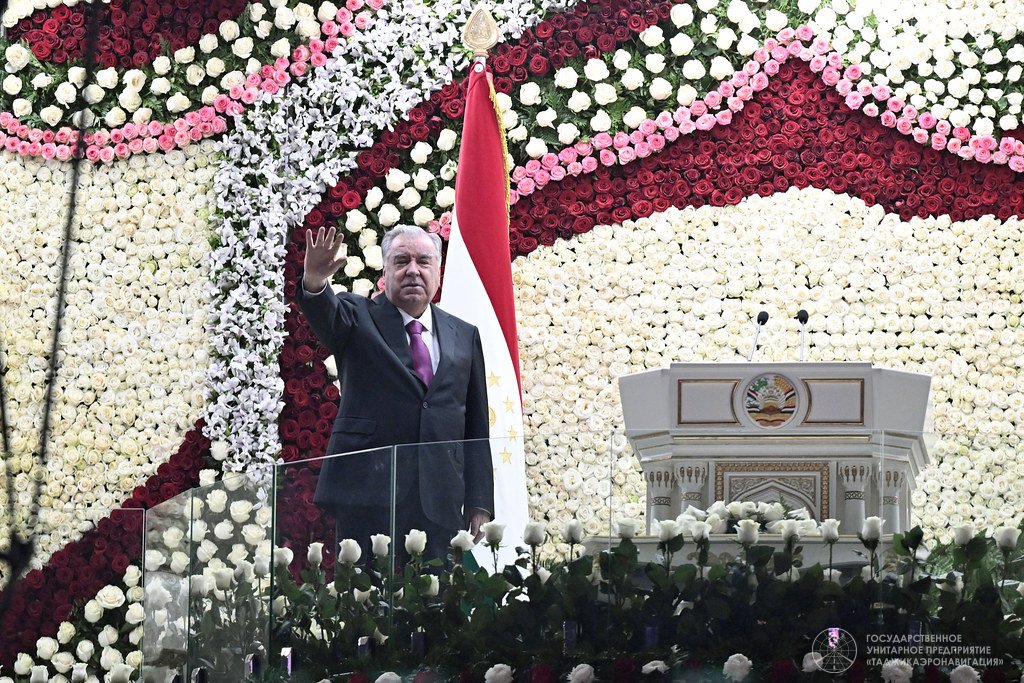
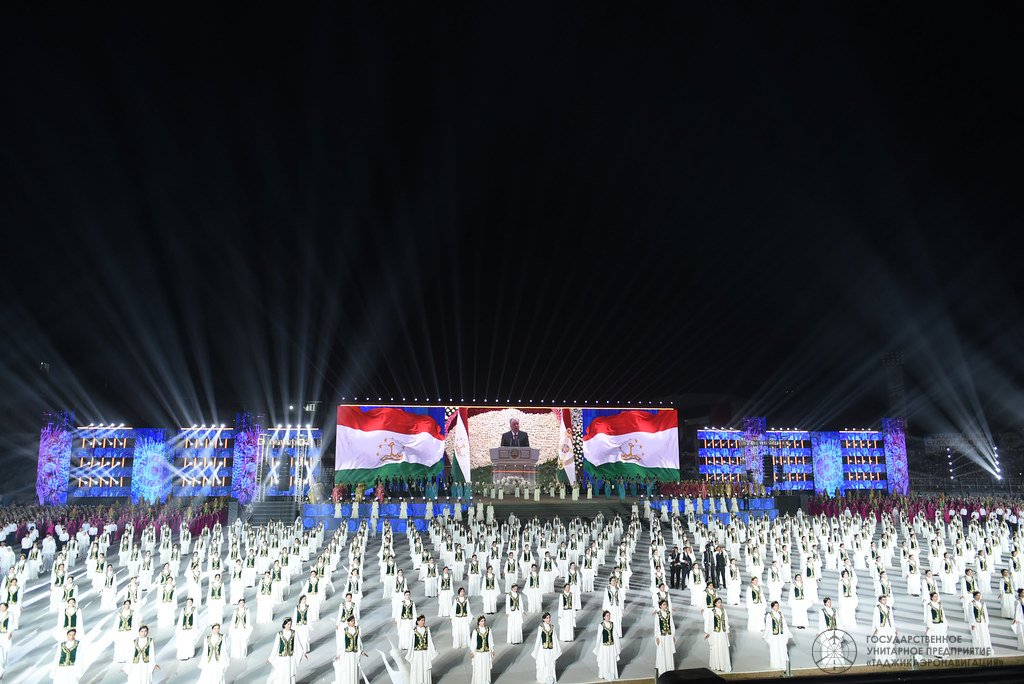
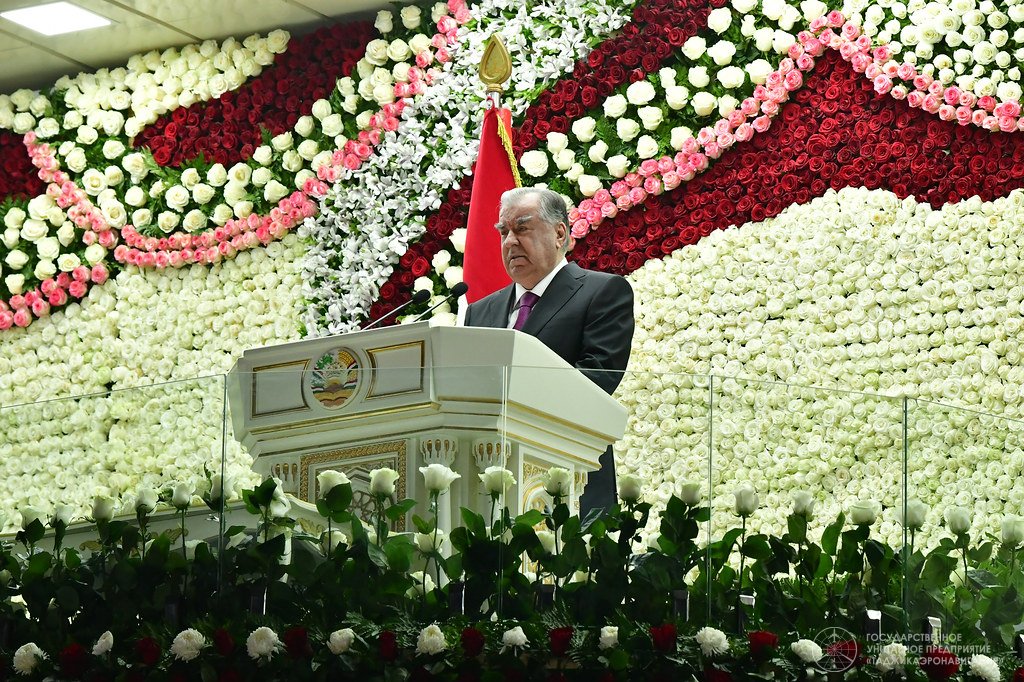
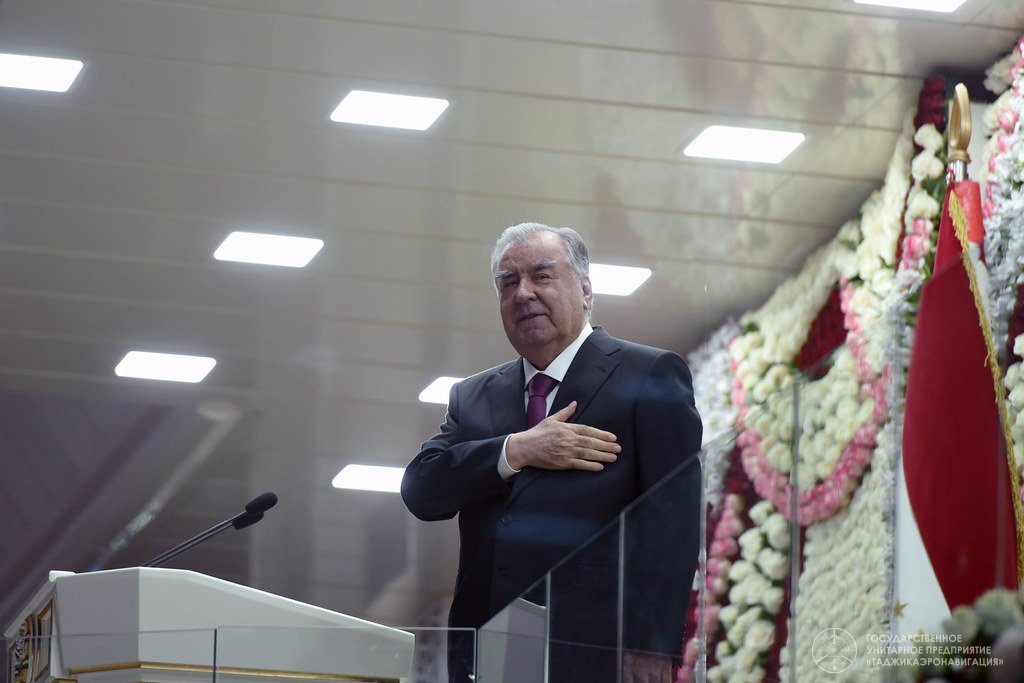
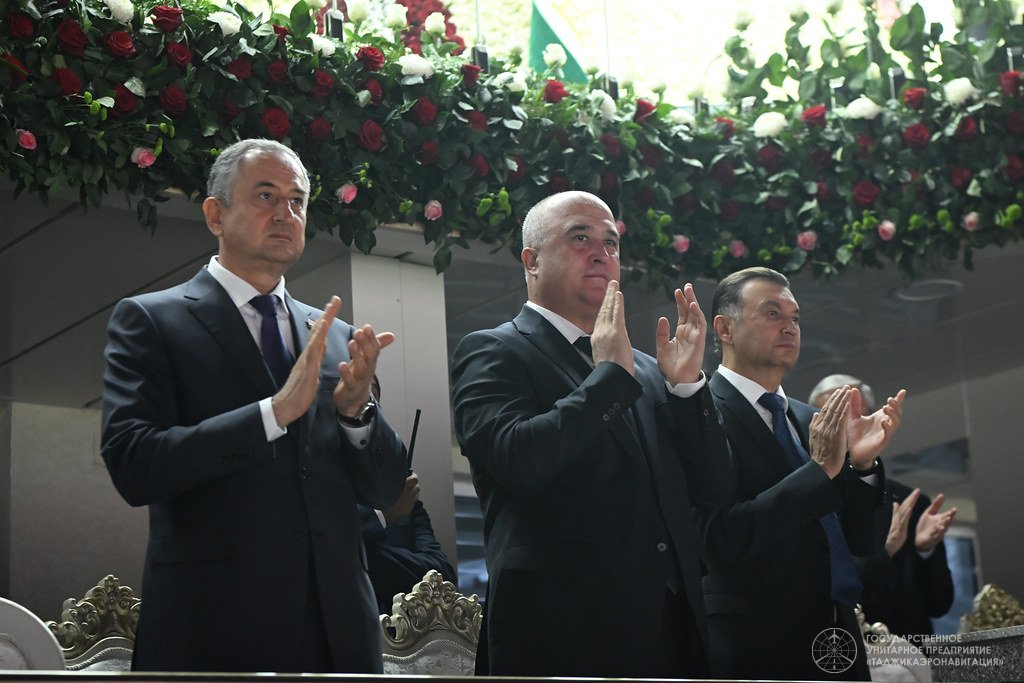
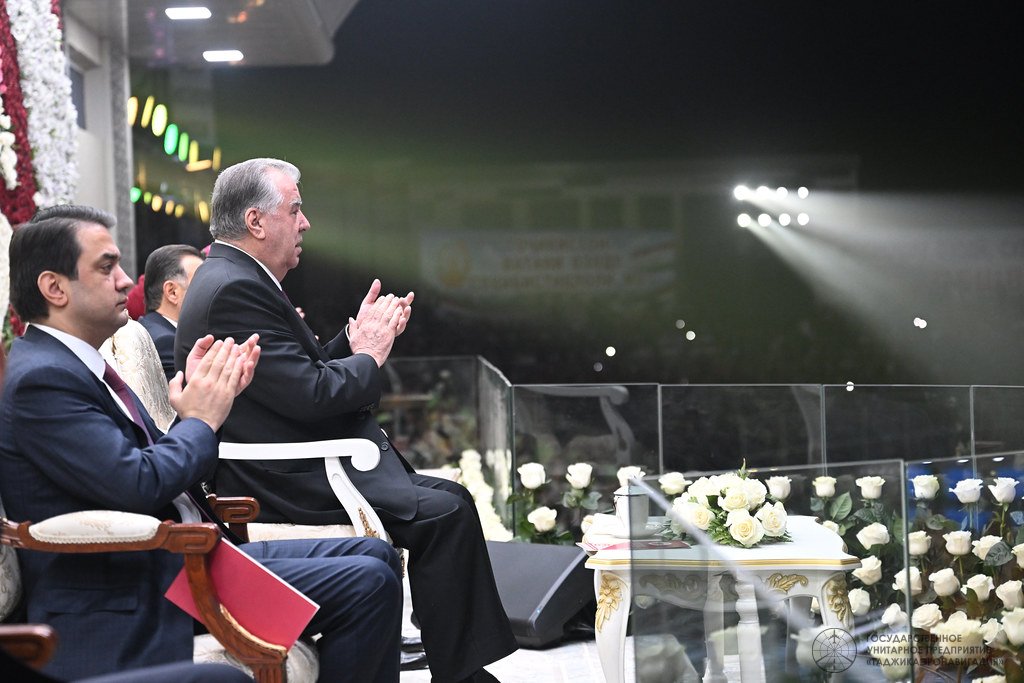
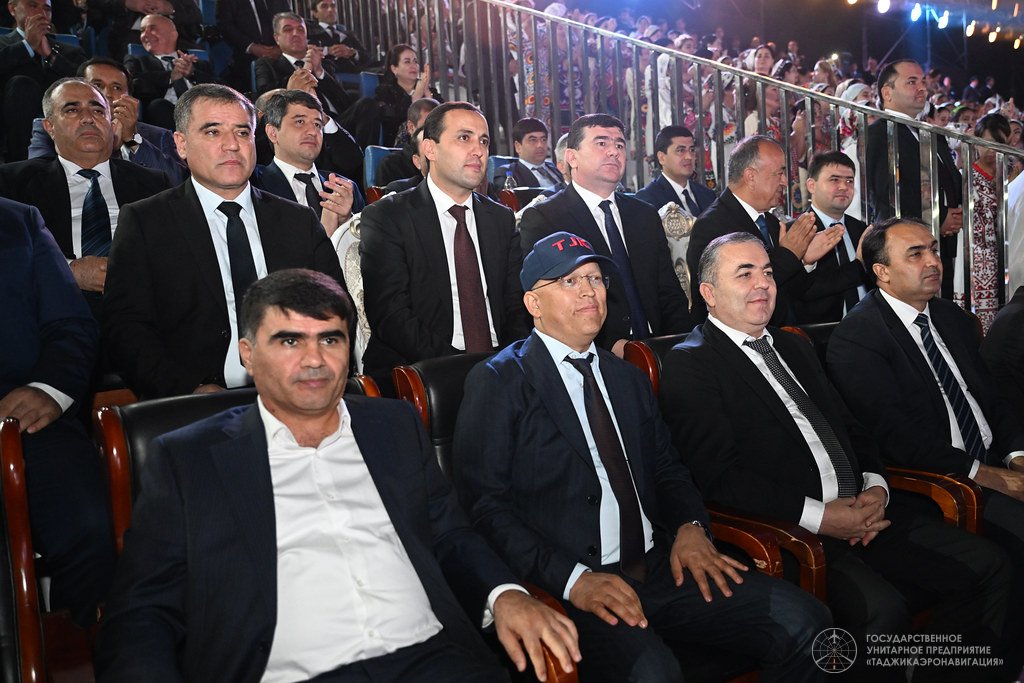
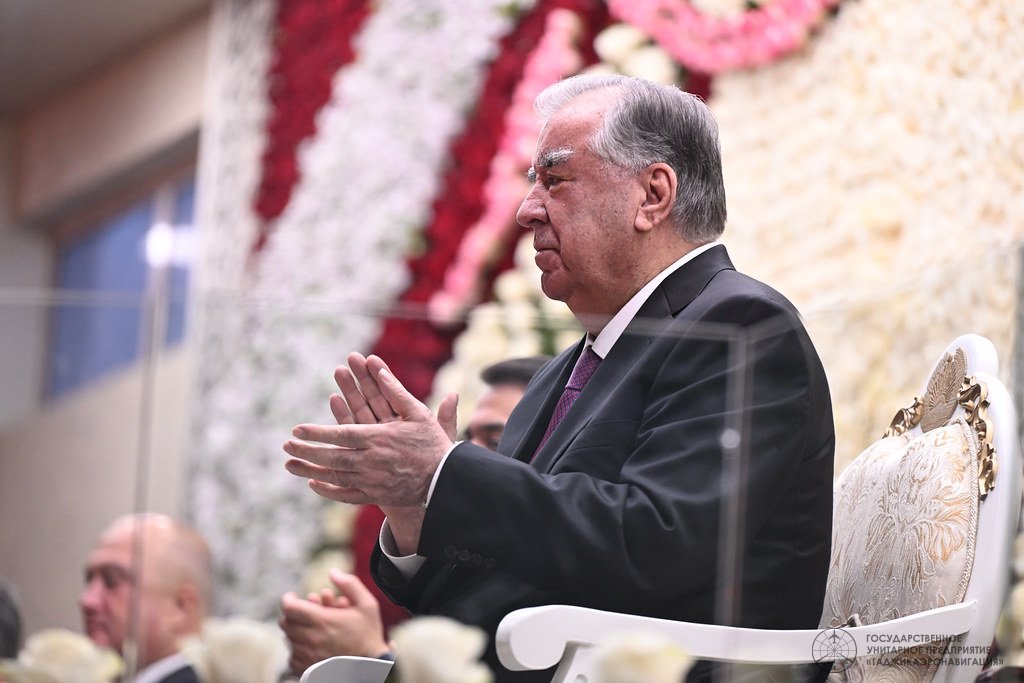
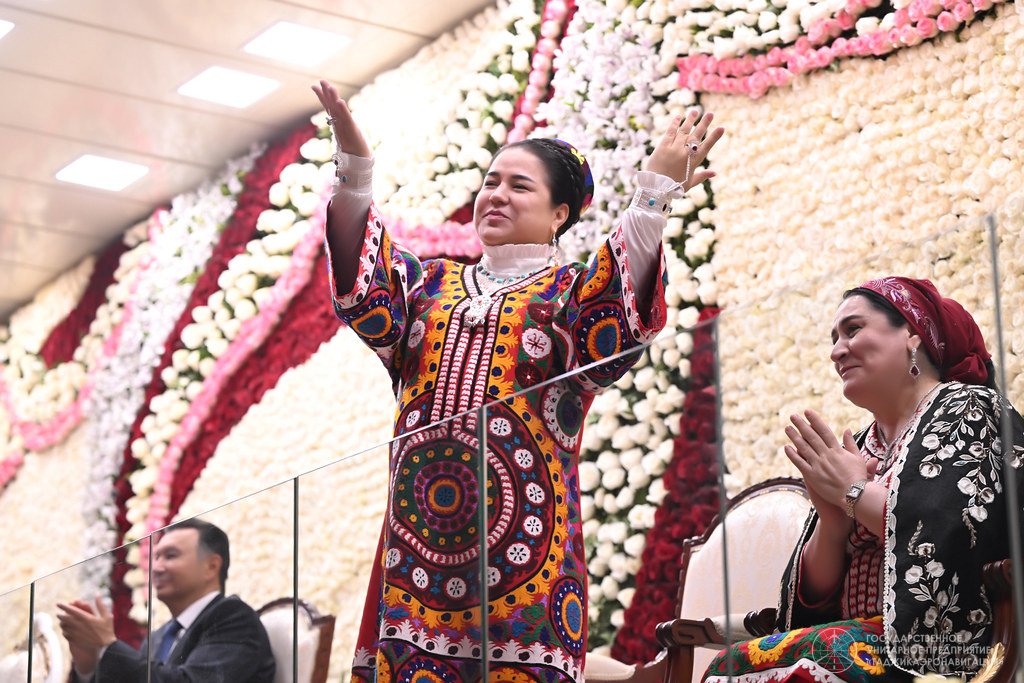
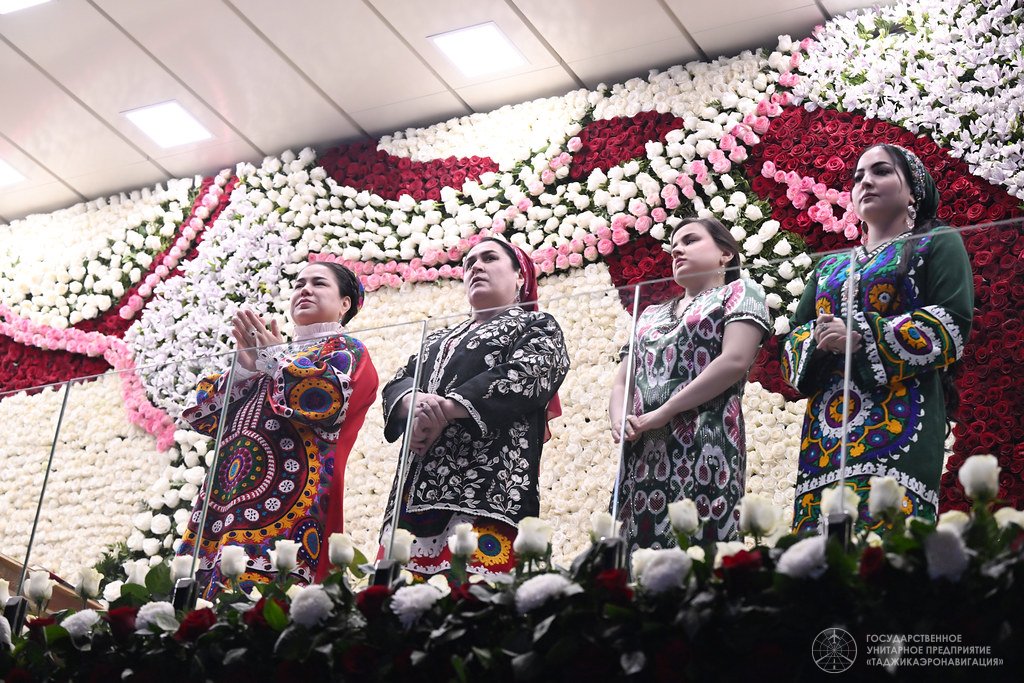
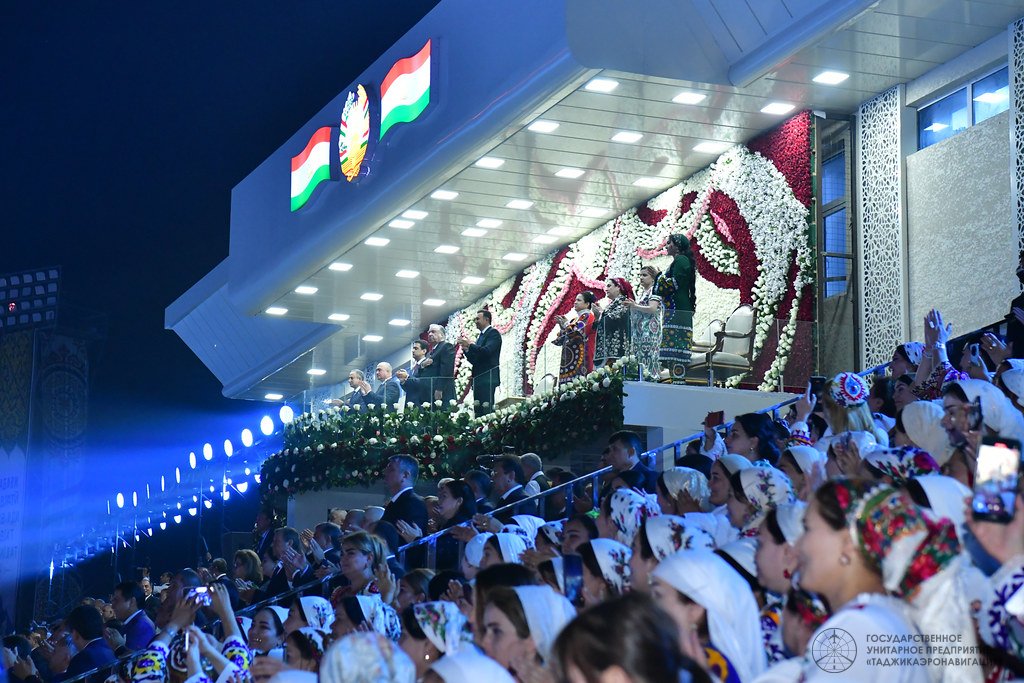
On October 5, the President of the Republic of Tajikistan, Leader of the Nation, His Excellency Emomali Rahmon, participated in and delivered a speech at a ceremonial celebration in the city of Kulob dedicated to the national holiday marking the 35th anniversary of State Independence.
At the outset, Leader of the Nation, Emomali Rahmon, congratulated the proud and honorable people of Kulob on the 35th anniversary of State Independence and on another important date — State Language Day, which is one of the national sacred, life-affirming values of the ancient Tajik nation.
It was emphasized that 35 years ago, the Tajik nation achieved its thousand-year aspiration — to establish an independent and sovereign state.
“During this relatively short period in historical terms, through round-the-clock hard work and the great will of the noble people of Tajikistan, we have managed to strengthen the foundations of our national statehood and transform our beloved Tajikistan into a developing country enjoying a worthy reputation in the international arena,” President Emomali Rahmon stated.
Leader of the Nation, Emomali Rahmon, described all the achievements — from the construction of roads and bridges, power plants and enterprises to the development of education, healthcare, and culture and the significant improvement in the living standards and quality of life of the population — as the fruits of independence and freedom, as well as the dedicated work of the people of Tajikistan, including the patriotic residents of Kulob.
It was noted that the ancient city of Kulob holds a special place in the history of Tajik statehood due to its proud historical heritage. The residents of the ancient city of Kulob are proudly fulfilling their sacred mission as inheritors of the world-renowned history and civilization of the Tajik people.
According to President Emomali Rahmon, the inclusion of dozens of historical and cultural monuments of Khatlon Province under the name “Ancient Khuttal” on the UNESCO World Heritage List represents international recognition of the ancient culture and civilization of this historic land of the Tajiks.
Recalling the early years of independence, Emomali Rahmon emphasized the unique contribution of the proud and patriotic people of Khatlon Province, particularly the courageous, brave, and honorable men of Kulob, to restoring the constitutional order and strengthening peace and stability in the country.
It was noted that during the years of independence, with the continuous support and care of the Government and the dedicated and constructive efforts of its residents, Kulob has become significantly more developed and prosperous, while its appearance has undergone a fundamental transformation. In preparation for the 35th anniversary of State Independence, 493 production and social facilities had been commissioned in Kulob as of October 1, 2026, exceeding the planned target.
On the same day alone, 51 new facilities, including 15 industrial enterprises, were inaugurated in Kulob, creating more than 2,500 new jobs.
It was noted that during the period of independence, more than 3.9 billion somoni from the state budget had been allocated for the socio-economic development of Kulob. During this period, a total of 1 billion somoni in foreign direct investment had been attracted to the city's economy.
President Emomali Rahmon stated that 25 state investment projects had been implemented in the fields of education and healthcare, roads, energy, and other sectors, while the implementation of another 20 state investment projects is currently underway.
It was noted that 77 industrial enterprises are currently operating in Kulob, and during the first eight months of 2026, their industrial output increased by more than 18 percent compared with the same period of the previous year.
President Emomali Rahmon analyzed the socio-economic situation of the city's population and stated that improving housing conditions for residents had also remained a constant priority during the years of independence. During this period, residential buildings with a total area of 618,000 square meters were constructed and commissioned in Kulob. Land plots for the construction of residential homes were allocated to more than 8,000 families.
Leader of the Nation, Emomali Rahmon, emphasized that during the years of independence, 53 educational institution buildings with 17,000 student places had been constructed and commissioned using funds from all sources of financing. During this period, 84 healthcare facilities had been built and inaugurated in Kulob to develop the healthcare sector and improve public access to quality medical services.
Taking the opportunity, Emomali Rahmon expressed his sincere gratitude to the hardworking residents of the city, patriotic entrepreneurs and philanthropists who made a valuable contribution to the development and improvement of the ancient city of Kulob, particularly during the preparations for the 35th anniversary of State Independence.
President Emomali Rahmon also spoke about the Government's constructive measures aimed at building industrial enterprises, roads and railway infrastructure, including the 132-kilometer Bokhtar–Kulob railway, the reconstruction and modernization of Kulob Airport, the inauguration of road bridges along the Guliston–Kulob route, and the laying of the foundation stone to launch construction of the 33-kilometer Guliston–Kulob road, the 12-kilometer Kulob–Shamsiddin Shohin road, as well as several industrial enterprises.
Concluding his speech, President Emomali Rahmon expressed confidence that the residents of the ancient city of Kulob would continue to preserve their customs, national traditions and cultural heritage and, most importantly, continue the process of construction and development with a strong sense of national identity, patriotism and devotion to their homeland. He expressed confidence that they would achieve even greater success in the development of their native land and beloved independent Tajikistan.
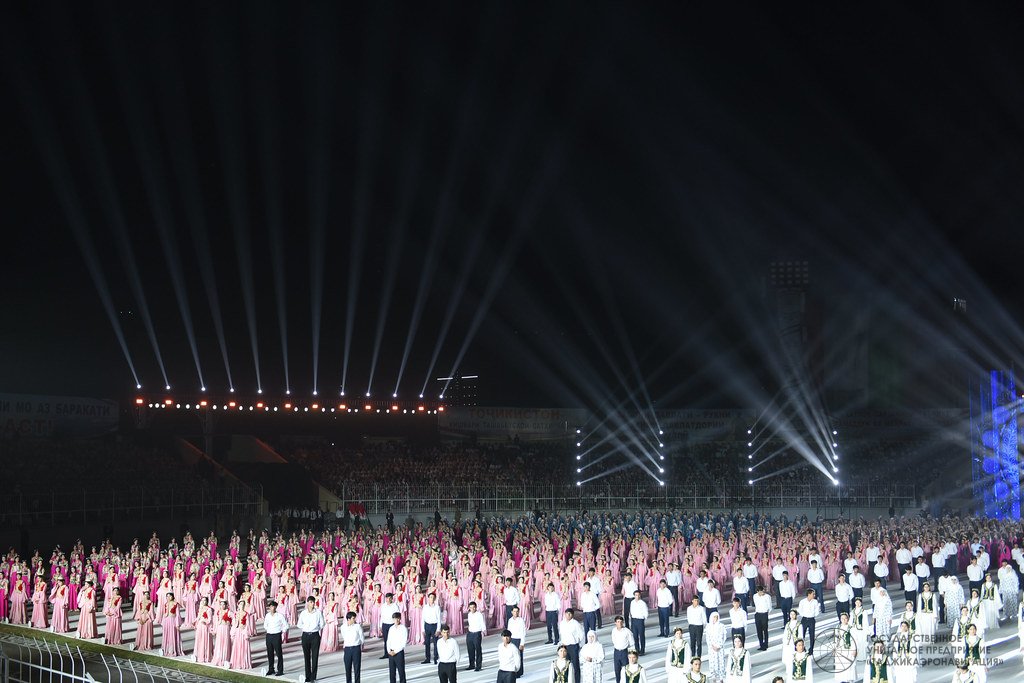
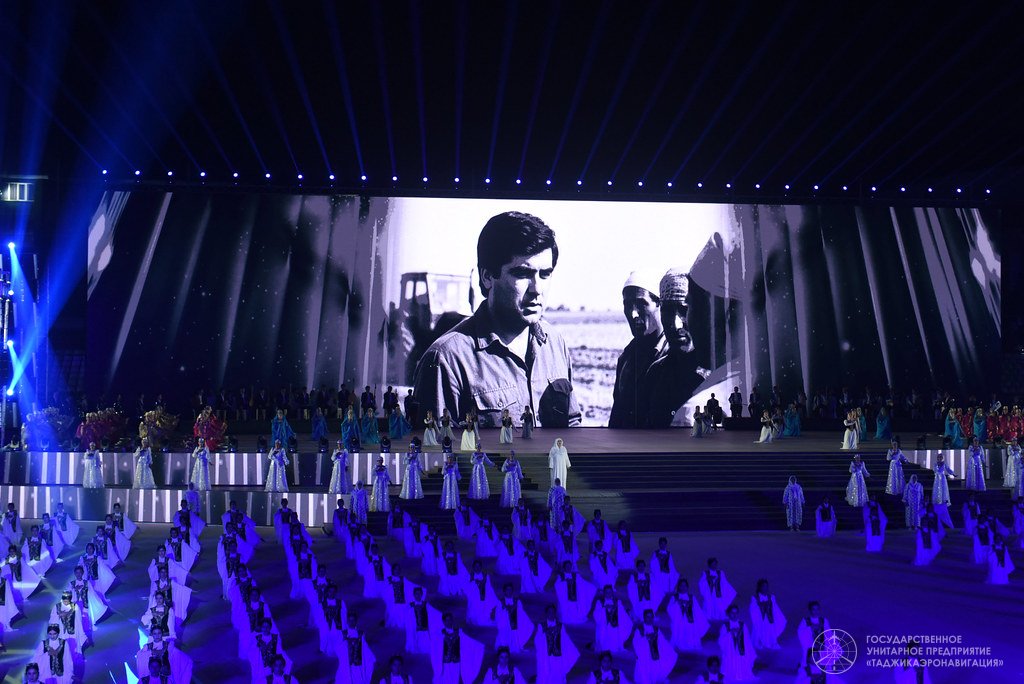
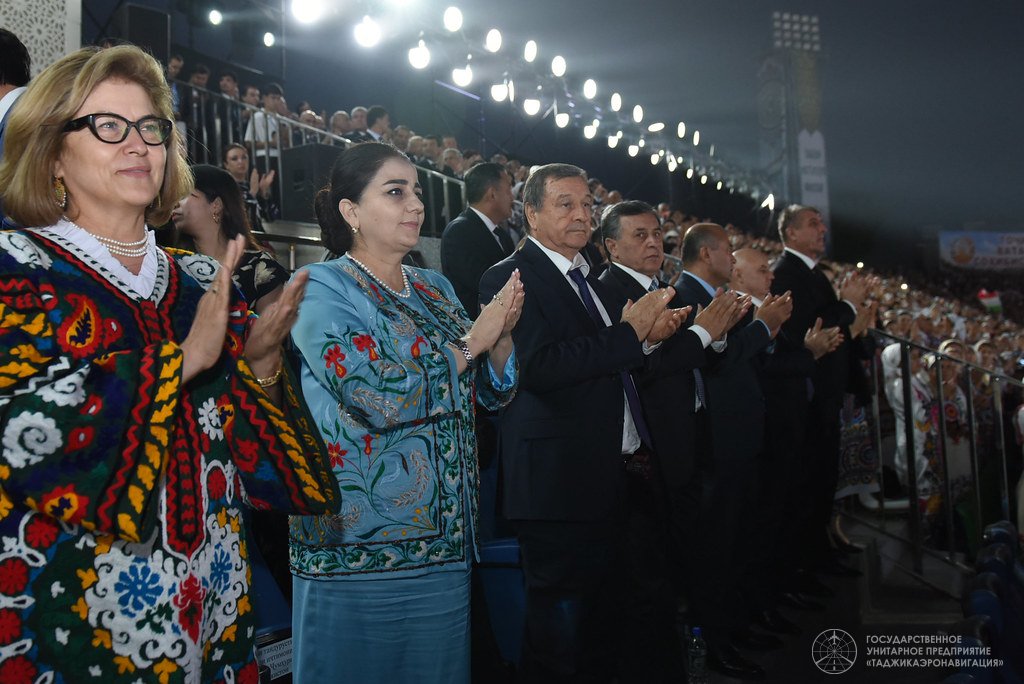
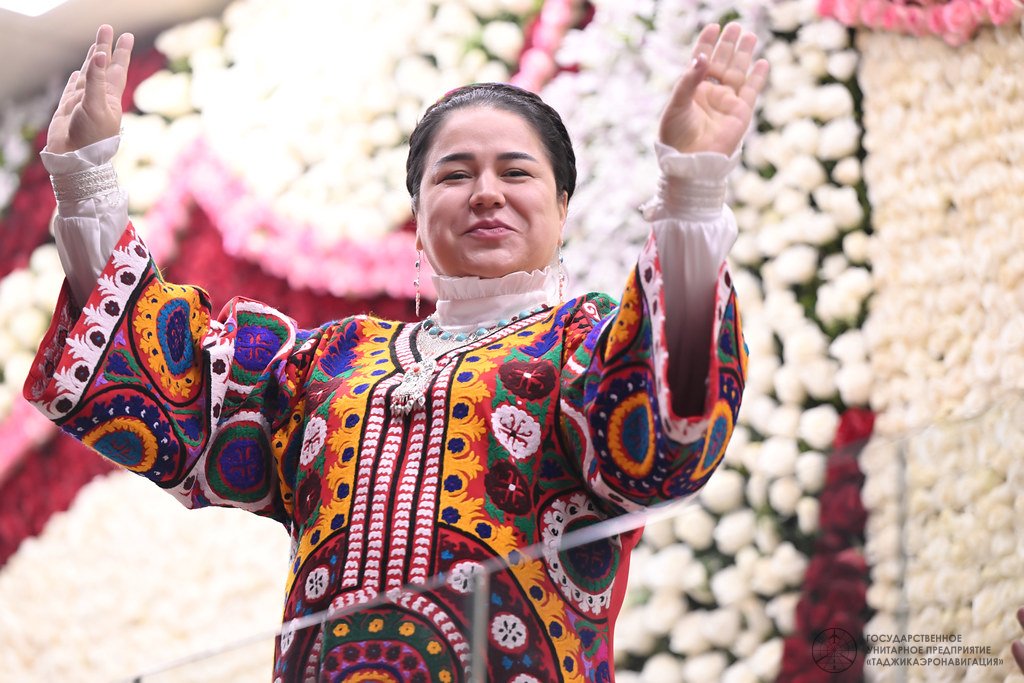
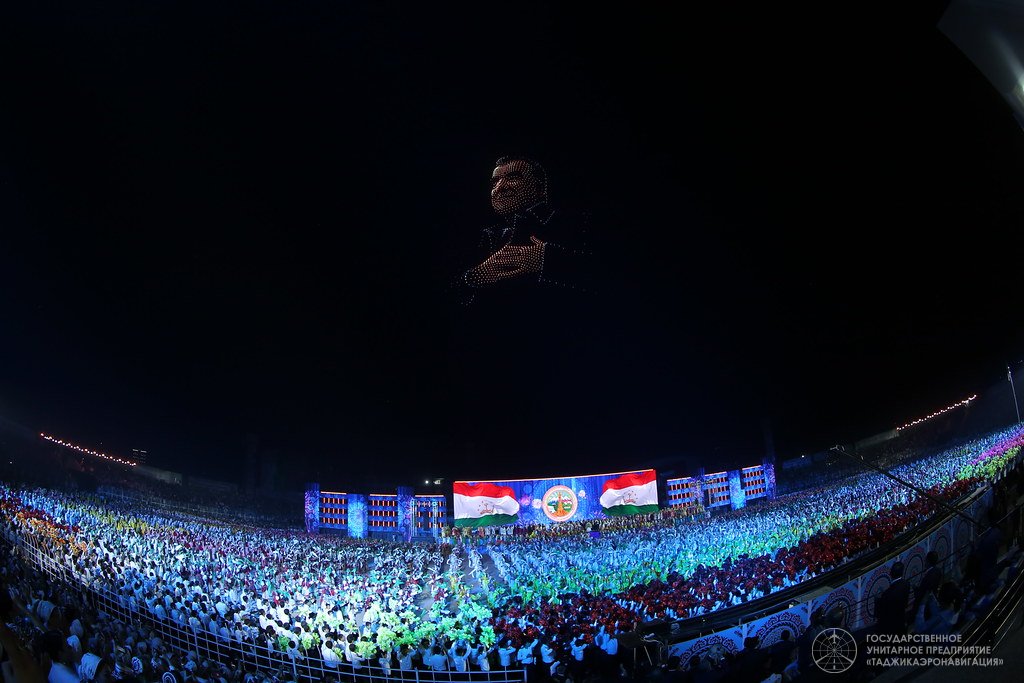
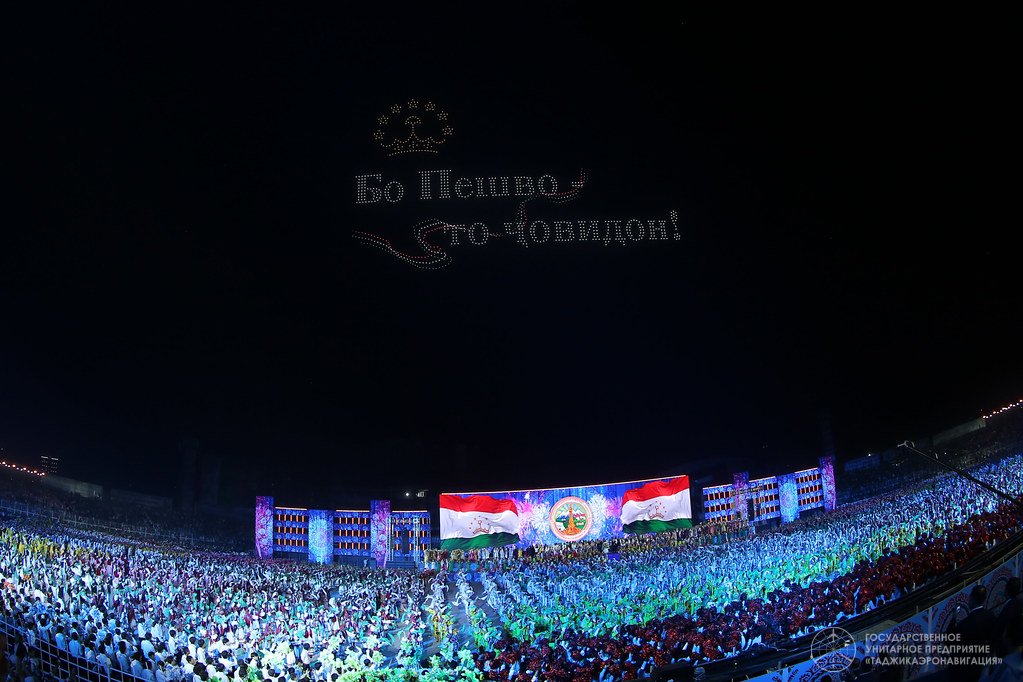
Following the speech by the Leader of the Nation, Emomali Rahmon, a festive concert program was held at the central stadium of Kulob to mark the 35th anniversary of State Independence and State Language Day.
The grand cultural event featured captivating songs and dances, as well as a colorful theatrical performance.
Masters of Tajik art and performers from Kulob presented songs based on the works of renowned poets and composers, dedicated to Tajikistan, State Independence, lasting peace and national unity, the state language, the Leader of the Nation, and other sacred values and achievements of the period of independence. The performances were highly meaningful, engaging, and memorable.