

PARTICIPATION IN THE REGIONAL ECOLOGICAL SUMMIT ON THE THEME "A SHARED VISION FOR A SUSTAINABLE FUTURE"
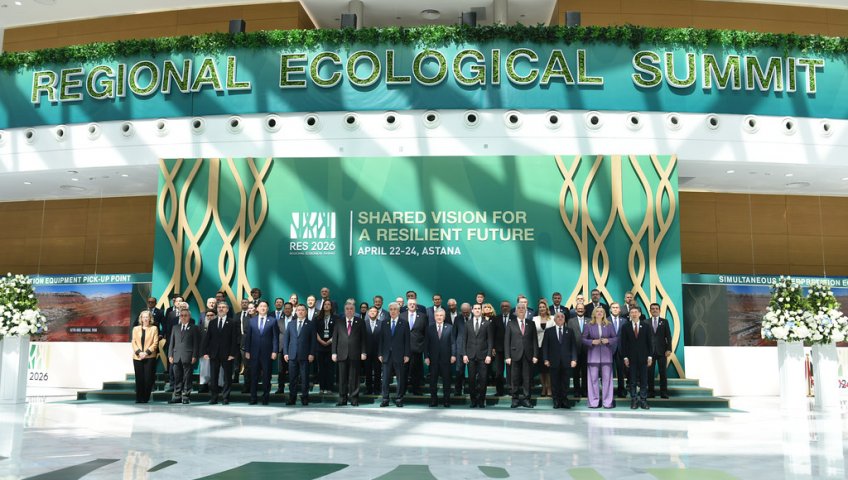
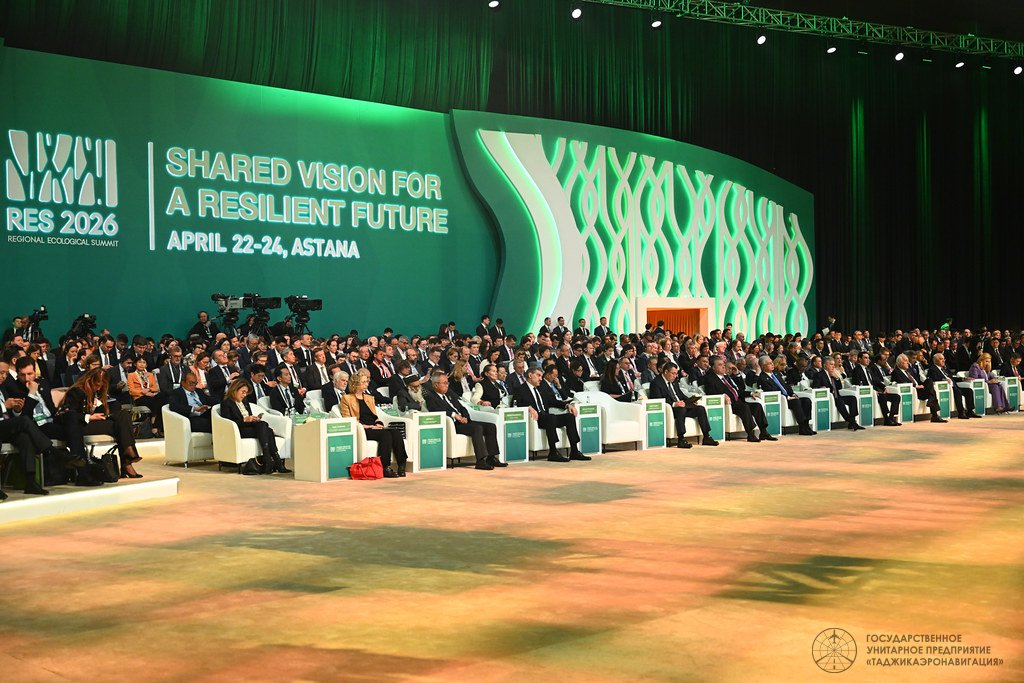
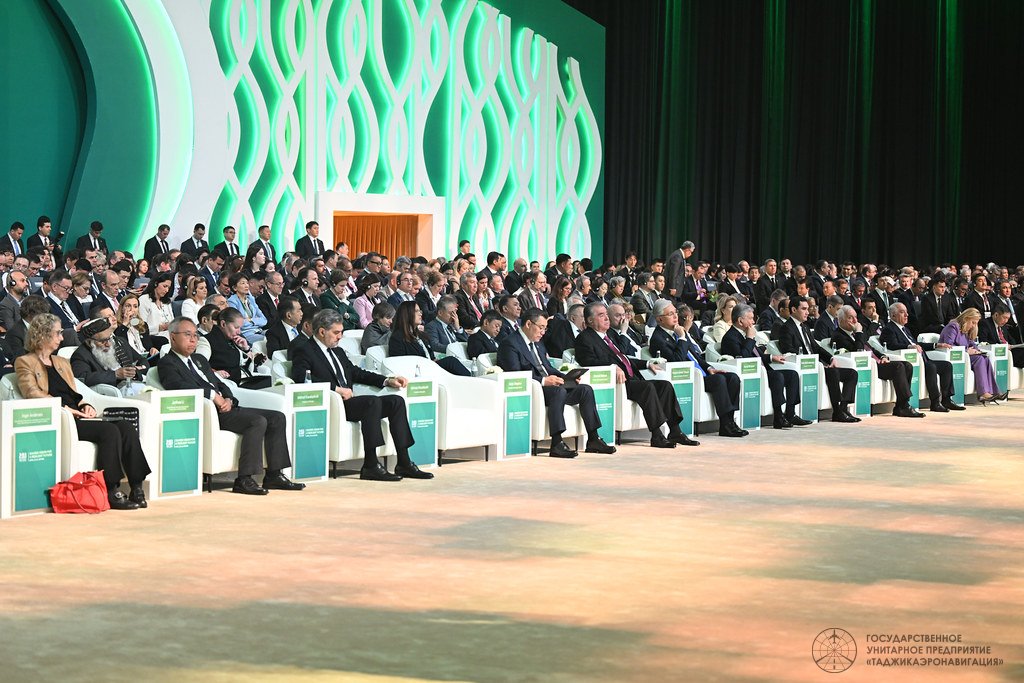
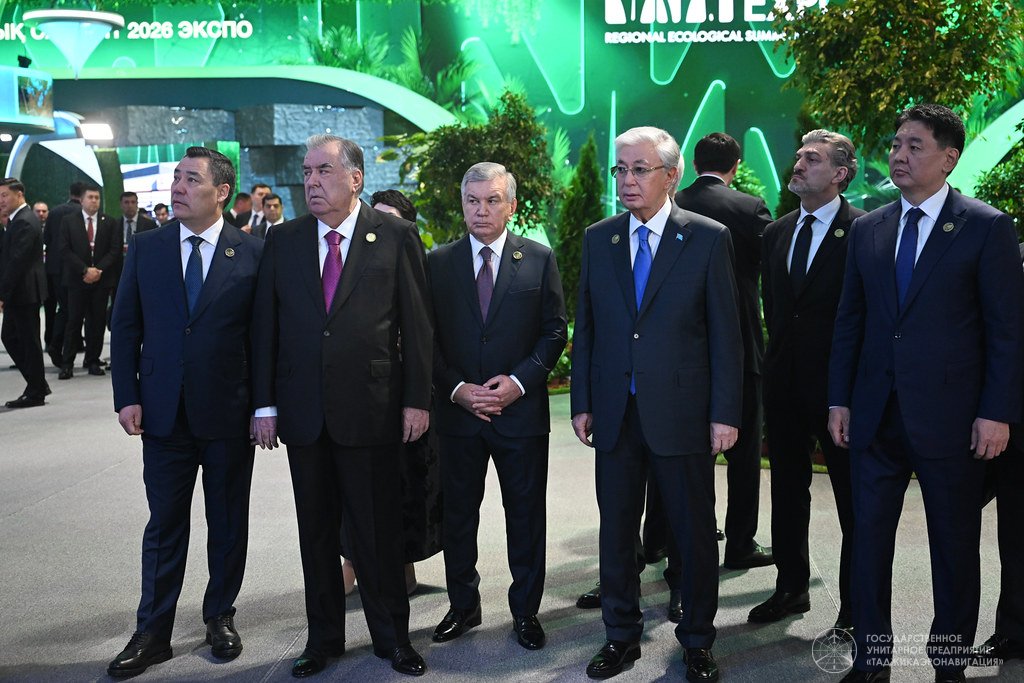
On April 22, the President of the Republic of Tajikistan, Leader of the Nation, Honorable Emomali Rahmon, visited the Summit exhibition in Astana, Kazakhstan, on the sidelines of the Regional Ecological Summit on the theme "Shared Vision for a Sustainable Future," along with other heads of state and participating delegations.
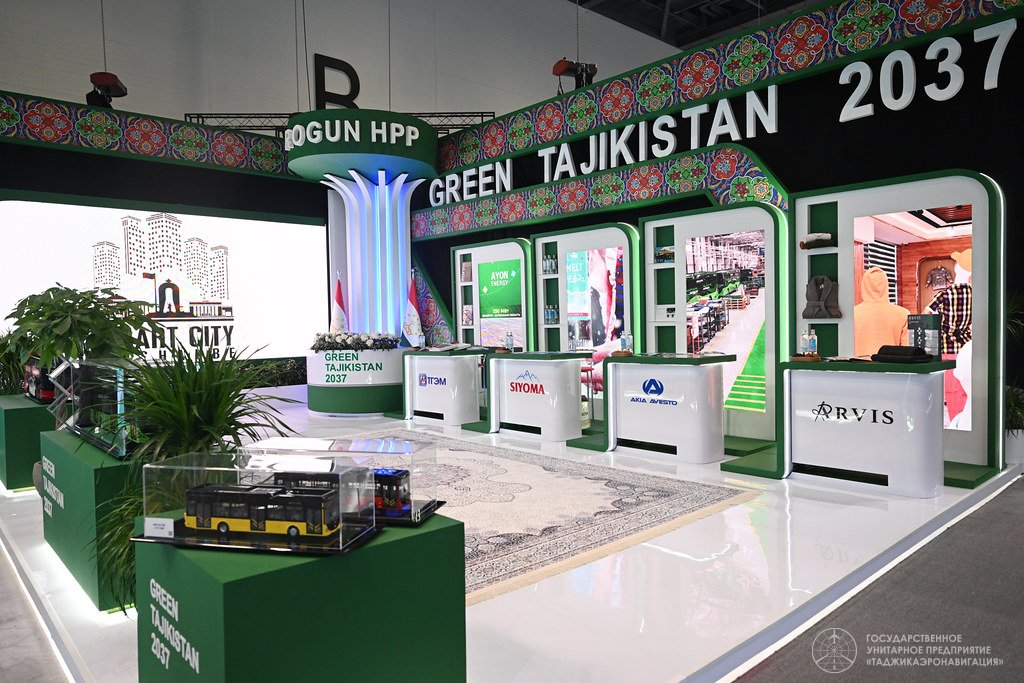
The exhibition also features a Tajikistan pavilion showcasing our country's contribution to advancing the climate agenda.
At the Tajikistan pavilion, the heads of state were provided with information on the global challenges of melting glaciers, preserving biodiversity, improving the environment, as well as the importance and priorities of transitioning to a green economy and developing ecotourism.
Tajikistan's exhibition highlights the country's natural diversity and cultural heritage, its traditions, crafts, and arts, reflecting the deep connection its people have with the environment.
It was noted that Tajikistan places special emphasis on preserving biodiversity and the relationship between humans and nature. Effective implementation of programs for the protection of snow leopards and the restoration of markhor and argali (Marco Polo mountain sheep) populations is among the tangible measures of the Government of the Republic of Tajikistan.
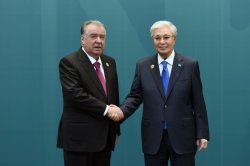
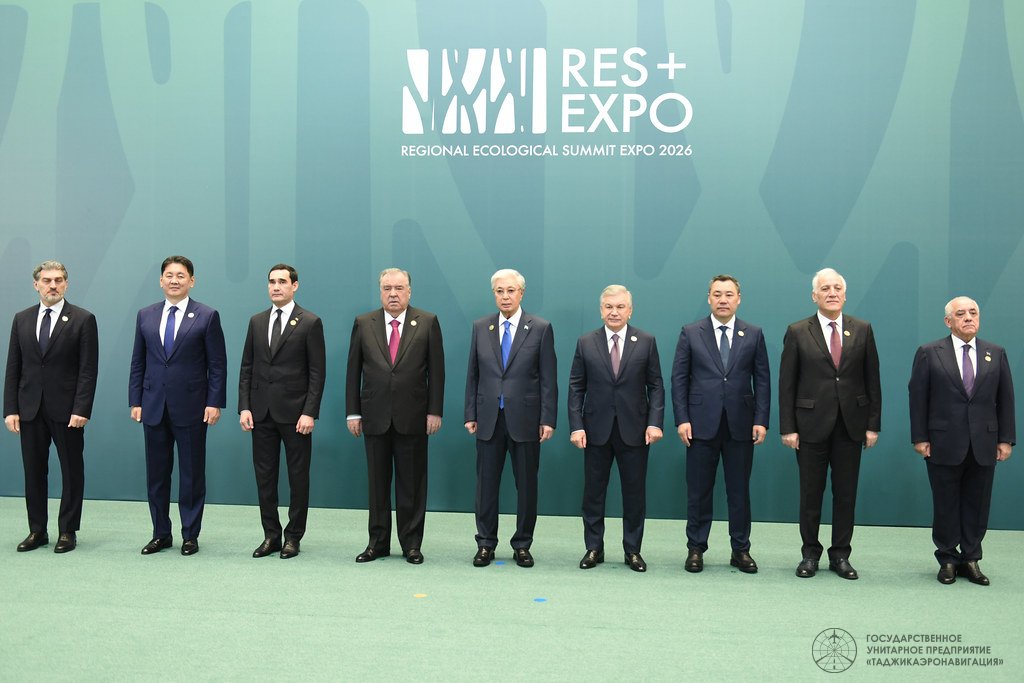

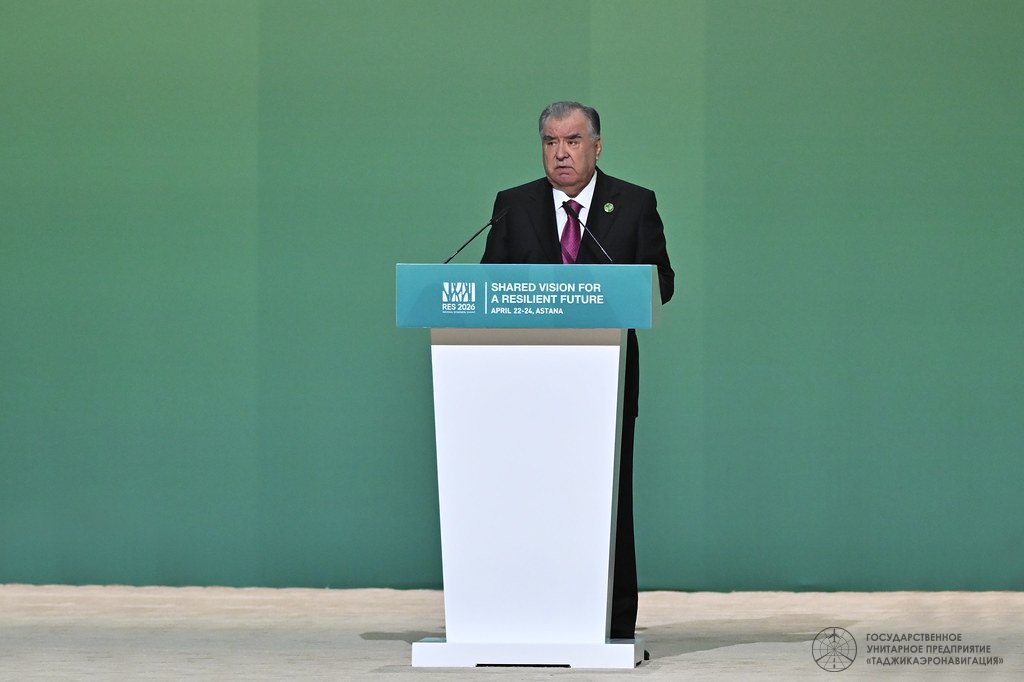
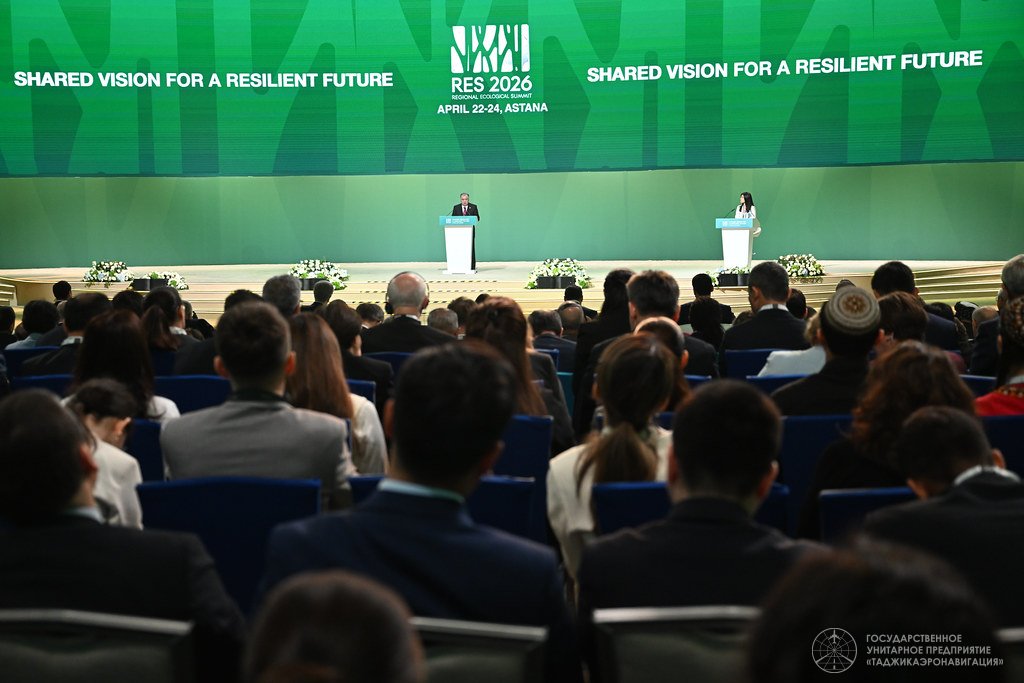
On April 22, the President of the Republic of Tajikistan and Leader of the Nation, Emomali Rahmon, participated in and addressed the Regional Environmental Summit on "A Shared Vision for a Sustainable Future" in Astana, Kazakhstan.
It was emphasized that climate change, ecosystem degradation, water scarcity, and natural disasters are becoming serious challenges for both our region and the entire world, and this undoubtedly requires joint action.
Head of State, Emomali Rahmon, emphasized that up to 60 percent of Central Asia's water resources are generated in our country, underscoring the important role of Tajikistan's mountain ecosystems in ensuring water supply and sustainable development in the region.
Emomali Rahmon noted that the process of intensive glacier melting is intensifying worldwide, leading to water imbalances, environmental threats, and an increased risk of water-related natural disasters.
Our country's President, Emomali Rahmon, also noted the alarming trend of increasing dust storm frequency and duration in countries in the region, which negatively impacts public health and the environment.
Head of State, Emomali Rahmon, reiterated Tajikistan's ongoing efforts within the Dushanbe Water Process to advance the global water and climate agenda.
It was noted that the UN resolution on the International Decade for Action, "Water for Sustainable Development," is currently in the active implementation phase.
Emomali Rahmon described the First High-Level International Conference on Glaciers' Preservation, held last year in Dushanbe as part of the International Year for Glaciers' Preservation 2025, as an effective platform for uniting stakeholders and taking further action in this area.
In addition, the importance of adopting a UN resolution declaring the Decade of Action to Support Cryospheric Sciences (2025–2034) and the establishment of a Regional Centre for the Study and Monitoring of Glaciers and the Cryosphere in Central Asia under the auspices of the World Meteorological Organization in Dushanbe was emphasized.
Emomali Rahmon, President of the Republic of Tajikistan, drew the attention of Summit participants to promoting climate transition as a development priority, expanding the use of renewable energy sources, improving energy efficiency, and creating a low-carbon economy.
The development of hydropower and other clean energy sources is a strategic priority for Tajikistan.
According to Emomali Rahmon, mobilizing environmental investments and implementing market mechanisms to support green growth are particularly important in the current environment.
It was stressed that, in this regard, the Government of Tajikistan is issuing green bonds. This is an important step toward integrating the country into the global sustainable climate finance system.
Emomali Rahmon considered it appropriate to consider the possibility of gradually establishing a regional carbon market to support efforts to reduce emissions and attract new investments.
It was noted that the protection and rational use of biological resources is a crucial step in addressing environmental issues. Based on this, Tajikistan has adopted a Program for Greening the Country through 2040.
President Emomali Rahmon noted that Tajikistan is actively implementing various state programs and projects to preserve unique and rare species of mountain fauna.
"These and other efforts are aimed at protecting natural habitats and ensuring respect for nature,"- Emomali Rahmon remarked.
To enhance the effectiveness of regional environmental cooperation, it was deemed important to develop its structural mechanisms and develop coordinated regional positions in the international arena.
In this context, Emomali Rahmon also emphasized the importance of the Regional Waste Management Center established in Dushanbe.
He noted Tajikistan's support for global initiatives aimed at promoting the common interests of Central Asian countries internationally.
Summit participants were invited to the Fourth High-Level International Conference on the Implementation of the Goals of the International Decade for Action, "Water for Sustainable Development," which will be held in Dushanbe in late May of this year.
At the conclusion of the Regional Ecological Summit, entitled "A Shared Vision for a Sustainable Future," a Joint Declaration of the Heads of State was adopted and the Regional Action Programme for 2026–2030 was approved.